Septic System Installation: What Homeowners in Central Texas Should Expect from Start to Finish
Installing a septic system is a significant undertaking for homeowners in Central Texas, often surrounded by questions and uncertainties. This guide aims to demystify the septic system installation process, providing a comprehensive overview of what to expect from start to finish. Homeowners will learn about the essential steps involved, necessary permits, maintenance requirements, and potential challenges that may arise during installation. Understanding these aspects is crucial for making informed decisions and ensuring a successful installation. This article will cover the installation process, necessary permits and regulations, maintenance requirements, potential challenges, and a detailed look at septic systems and their functionality.
Installation Process
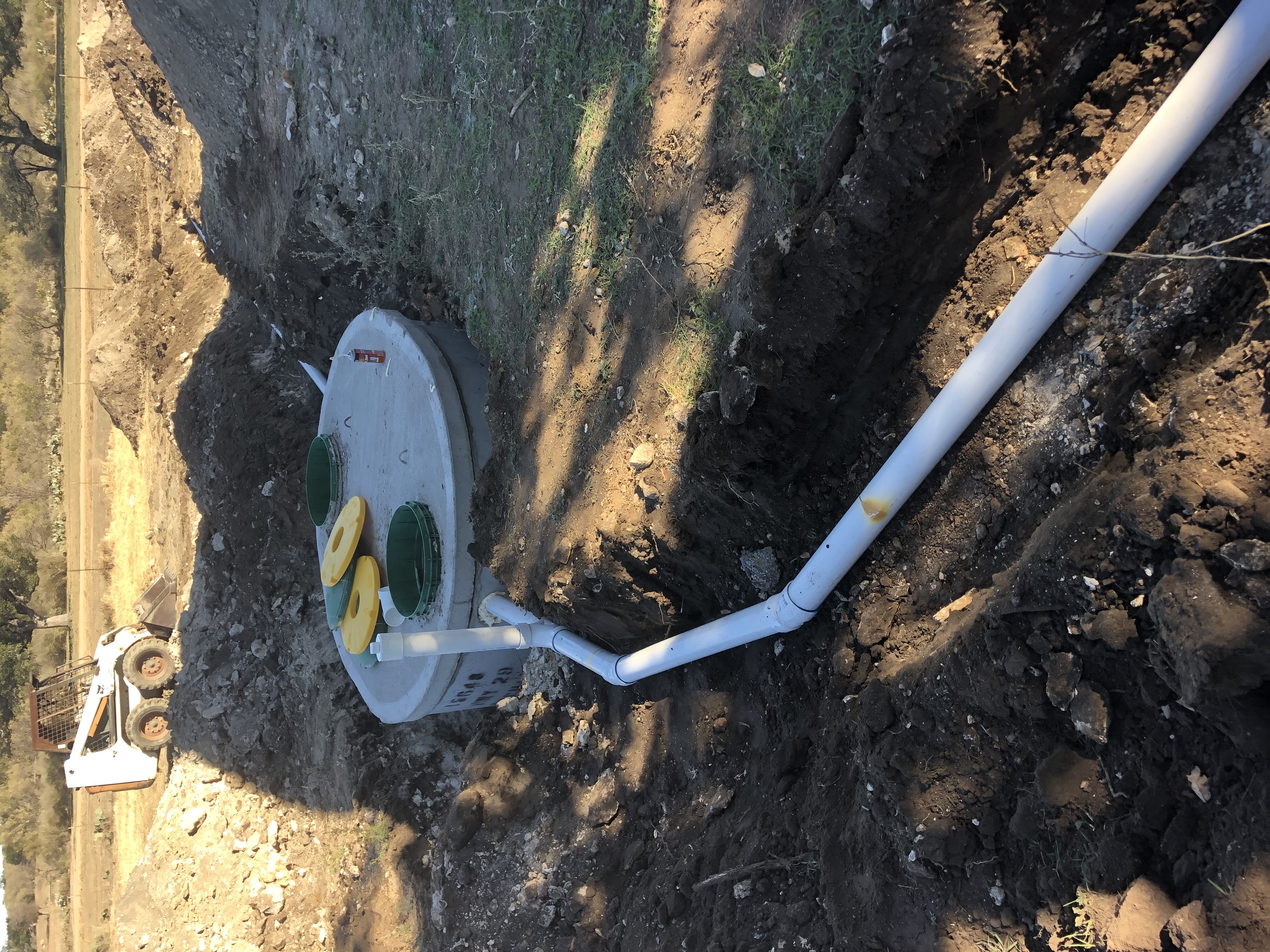
The septic system installation process involves several critical steps that ensure the system functions effectively and complies with local regulations. Initially, homeowners should contact a professional for estimates and consultations. This is followed by a thorough site evaluation and planning phase, where the specific needs of the property are assessed. Permitting and design come next, ensuring that all local regulations are met before installation begins. The actual installation involves professional excavation, tank placement, and system setup, culminating in a final inspection and cleanup to ensure everything is in order.
After the installation process, homeowners can rely on Liberty Septic and Excavating for expert guidance and support, ensuring that their new septic system operates efficiently and meets all local standards.
Necessary Permits and Regulations
Installing a septic system in Central Texas requires adherence to specific permits and regulations set forth by local authorities. The Texas Commission on Environmental Quality (TCEQ) oversees the regulations governing septic systems, ensuring that installations meet health and safety standards. Homeowners must obtain the necessary permits before beginning any installation work, which typically involves submitting plans and undergoing inspections.
Indeed, the state of Texas actively manages a significant number of septic system permits to ensure compliance with federal regulations.
Texas Septic System Permits & Regulations
in Texas, has over 3,100 active septic sewer system permits to manage each septic system in Texas depending on the to the Code of Federal Regulation rules, which most communities.
Safeguarding Texas' Wastewater Infrastructure: Key Threats and Imperatives, 2024
Understanding these regulations is crucial for a smooth installation process. Homeowners should work closely with their installation team to navigate the permitting process effectively, ensuring compliance with all local requirements.
Maintenance Requirements
Proper maintenance is essential for the longevity and efficiency of a septic system. Homeowners should be aware of several key maintenance practices to keep their systems functioning optimally. Regular pumping of the septic tank is crucial, typically recommended every 3 to 5 years, depending on usage. Additionally, homeowners should schedule routine inspections to identify any potential issues early on.
Understanding what can and cannot be flushed down the toilet is also vital. Items like grease, chemicals, and non-biodegradable materials can harm the system and lead to costly repairs. By following these maintenance guidelines, homeowners can extend the life of their septic systems and avoid significant problems down the line.
For more information about our company and our commitment to quality, visit our website.
Potential Challenges
While installing a septic system is a straightforward process, several challenges can arise. One common issue is the condition of the soil, which can affect the system's design and functionality. Poor soil conditions may require additional measures, such as advanced drainage solutions, to ensure proper wastewater management.
The importance of soil quality is further highlighted by research indicating that inadequate soil conditions can severely compromise a septic system's effectiveness.
Septic System Site Selection & Soil Quality
Proper design and quality of soil play an important role in the functioning of such systems. Shallow soils in the state of Ohio do not support traditional leach field systems that require a depth of 3 to 4 feet of soil for effective treatment of domestic wastewater. Installation of such systems in areas with shallow or saturated soils leads to incomplete treatment of organic and bacterial pollutants.
An economic analysis of poorly sited septic systems, S Vedachalam, 2011
Regulatory compliance can also pose challenges, especially if local regulations change or if the installation team is unfamiliar with specific requirements. Homeowners should be proactive in understanding these regulations and working with experienced professionals to navigate any complexities.
Lastly, system design issues can arise if the initial evaluation does not accurately reflect the property's needs. Engaging a qualified installation team can help mitigate these risks and ensure a successful installation.
What Is a Septic System and How Does It Work?
A septic system is a decentralized wastewater treatment system commonly used in rural areas where municipal sewage systems are unavailable. It consists of several components that work together to treat and dispose of household wastewater effectively.
Components of a Septic System:
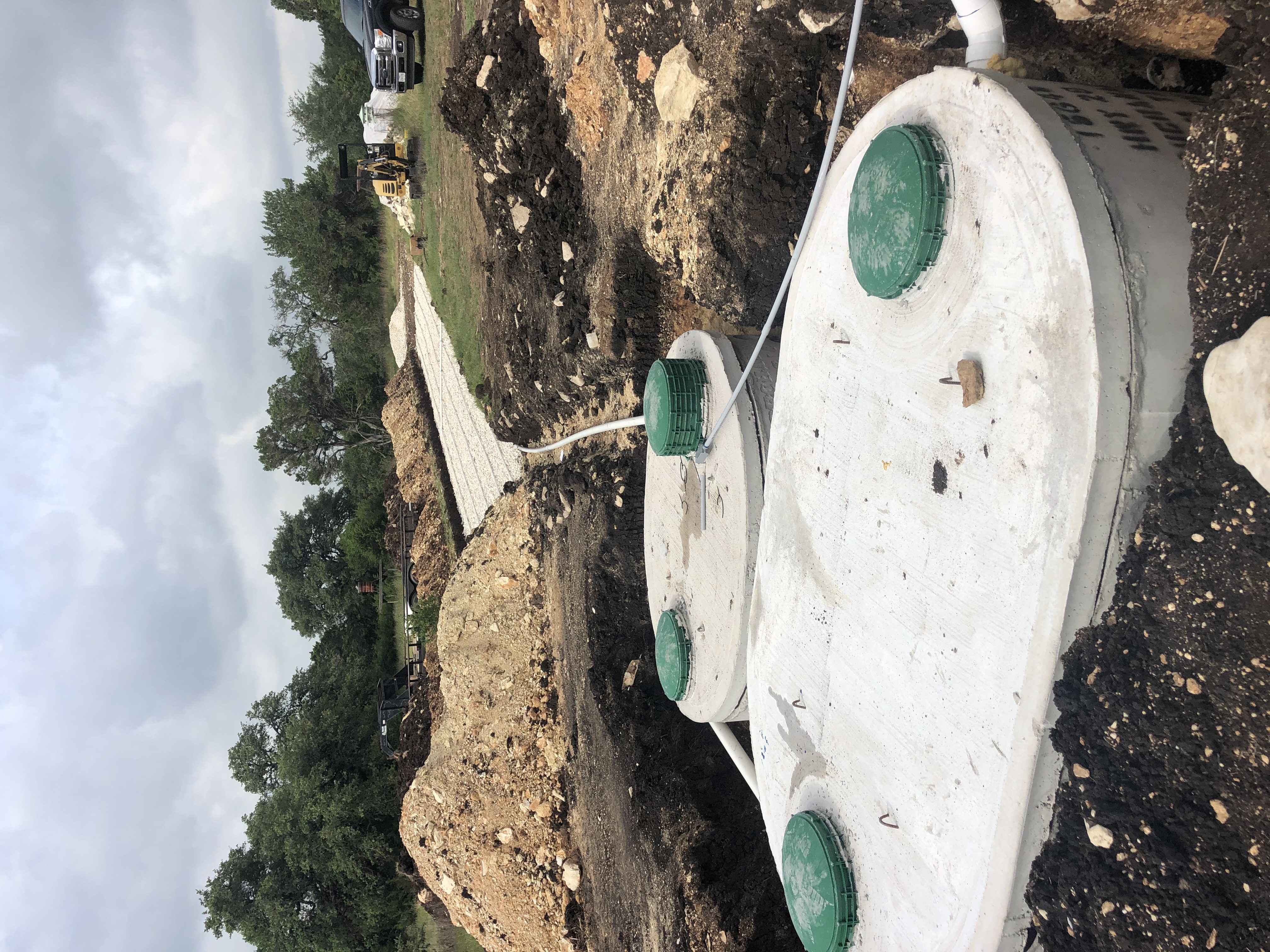
Septic Tank: This underground tank collects and stores wastewater from the home. It allows solids to settle at the bottom, forming sludge, while lighter materials float to the top, creating scum.
Drain Field: Also known as a leach field, this area consists of perforated pipes buried in gravel or soil, allowing treated wastewater to percolate into the ground.
Soil Filtration: The soil acts as a natural filter, further treating the wastewater before it reaches the groundwater.
Functionality:
The septic system operates through a simple yet effective process. Wastewater flows from the home into the septic tank, where it undergoes initial treatment. Solids settle, and the liquid effluent is then directed to the drain field. Here, the effluent is further treated by the soil, which removes harmful pathogens and nutrients before the water re-enters the groundwater supply.
What Are the Step-by-Step Processes in Septic System Installation?
The installation of a septic system involves several key steps that ensure proper setup and compliance with local regulations.
Free Estimate: Homeowners should begin by obtaining a free estimate from a qualified septic system installer.
Site Evaluation: A comprehensive assessment of the property is conducted to determine the best location for the septic system.
Permitting and Design: Necessary permits are obtained, and a design plan is created based on the site evaluation.
Installation: The installation team excavates the site, places the septic tank, and sets up the drain field.
Final Inspection: After installation, a final inspection is conducted to ensure everything meets local standards.
Site Evaluation and Soil Testing Procedures
During the site evaluation, professionals assess the land's topography, soil type, and proximity to water sources. Soil testing is crucial to determine the soil's absorption capacity and suitability for a septic system. This step helps identify any potential issues that may arise during installation.
Excavation, Tank Placement, and System Setup Explained
Excavation involves digging the necessary trenches for the septic tank and drain field. The tank is then placed in the excavated area, followed by the installation of the drain field. Proper setup is essential to ensure that the system functions effectively and complies with local regulations.
What Permits and Regulations Apply to Septic Installation in Central Texas?
Homeowners must navigate various permits and regulations when installing a septic system in Central Texas.
Required Permits for Septic Systems in Williamson, Travis, and Surrounding Counties
Each county has specific permit requirements that must be met before installation can begin. Homeowners should consult with local authorities to understand the necessary permits and the application process.
These local requirements are rooted in state legislation, such as the law passed by the Texas legislature in 1987, which established rules for on-site sewage facilities.
Texas Septic System Laws & Permitting
The Texas legislature passed a law (HB 1875) in 1987 to implement and enforce rules for on-site sewage facilities (OSSFs). Examples of treatment options include septic tanks, aerobic.
Selecting and permitting, 1987
How to Navigate Local Regulatory Requirements and Inspections
Working with a knowledgeable installation team can help homeowners navigate the complexities of local regulations. It's essential to stay informed about any changes in regulations that may affect the installation process.
How Much Does Septic Tank Installation Cost in Central Texas?
The cost of septic tank installation can vary significantly based on several factors.
Factors Influencing Septic System Installation Costs
Material Choices: The type of septic tank and materials used for the drain field can impact overall costs.
Labor Expenses: Labor costs can vary depending on the complexity of the installation and the experience of the installation team.
Site Conditions: The condition of the land and any necessary site preparation can also affect costs.
Financing Options and Cost Estimates for Homeowners
Homeowners should explore financing options available for septic system installation. Many local programs offer assistance to help cover the costs associated with installation, making it more accessible for homeowners.
What Are Essential Septic System Maintenance and Inspection Tips?
Maintaining a septic system is crucial for its longevity and efficiency.
Routine Maintenance Practices to Extend System Life
Regular Pumping: Schedule pumping every 3 to 5 years to prevent buildup and ensure proper function.
Inspection Frequency: Conduct inspections at least once a year to identify potential issues early.
Water Conservation: Practice water conservation to reduce the load on the septic system.
Understanding the Septic System Inspection Process
During an inspection, professionals will check for signs of leaks, clogs, and overall system performance. Homeowners should prepare for inspections by ensuring access to the septic tank and drain field.
If you have any questions or need assistance, please contact us today.
We proudly offer our services in various service areas throughout Central Texas.