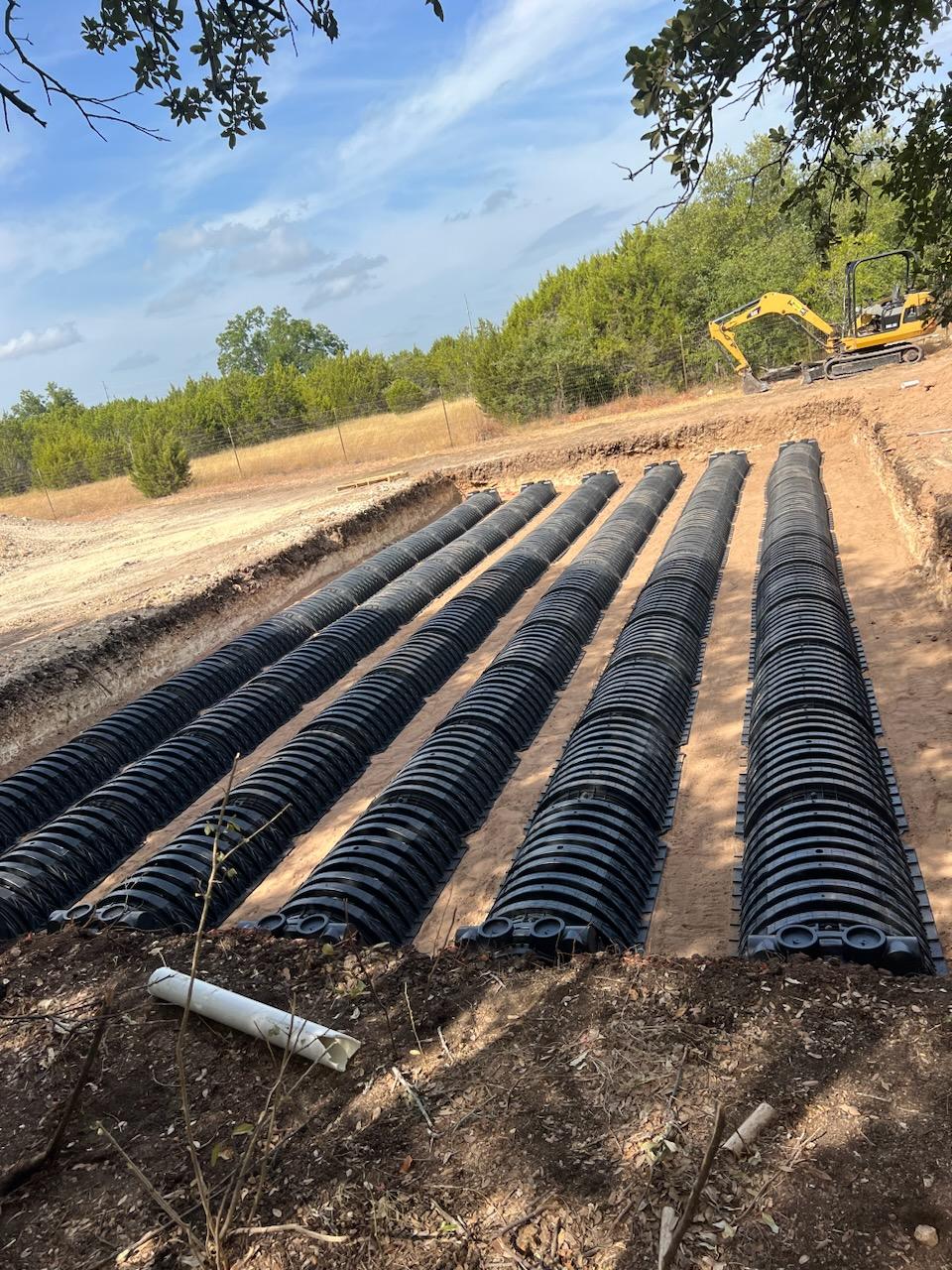
Septic System Installation in Liberty Hill, TX — A Practical Guide for Property Owners
Septic systems are the working backbone for properties that aren’t on a city sewer line. Knowing how installation works, which permits you’ll need, and what maintenance looks like helps Liberty Hill property owners avoid surprises and expensive mistakes. This guide walks through the installation steps, the local rules to follow, and common pitfalls — so you can move from planning to long‑term care with confidence.
1. Introduction
For many homes in and around Liberty Hill, septic systems safely treat and dispose of household wastewater. Installing one correctly protects your property, nearby water sources, and public health. The process includes a site evaluation, a design that meets local standards, securing permits, and following inspection requirements. Meeting those requirements is both a legal necessity and the best way to make your system last.
2. Installation Process
Installing a septic system happens in clear stages. Each step matters for performance and compliance; understanding them up front helps you plan the timeline, budget, and inspections.
What Are the Key Steps in the Septic System Installation Process in Liberty Hill?
The typical installation pathway includes these key steps:
Site Assessment: A professional inspects the lot, performs soil tests, and evaluates slope and drainage to confirm a septic system is suitable.
Design Requirements: A system plan is drawn to meet local codes and the property’s needs, including tank size and drain field layout.
Permitting Process: Required permits are obtained from the local health department before any digging or installation begins.
Installation: The septic tank and drain field are installed according to the approved design and best practices.
Inspection: Local officials inspect the finished work to confirm code compliance and proper function.
How Does the Installation Process Begin with Site Evaluation and Planning?
The first, critical phase is the site evaluation. This determines how the system will be designed and placed. Key factors include:
Soil Type Assessment: Soil texture and permeability determine how well effluent is absorbed and treated. Sandy soils drain quickly; clay holds water and may require adjustments.
Topography Considerations: The land’s slope affects drainfield placement and where components can safely sit.
Water Source Proximity: Distance to wells, creeks, and other water bodies is measured to prevent contamination.
These environmental details guide system choice and protect long‑term functionality.
Septic System Vulnerability: Soil, Water Table, and Design Factors Areas with poorly draining soils, high seasonal groundwater, or frequent flooding face greater risks to public health and the environment from failing septic systems. Gaps remain in research on vulnerability and on factors that drive higher replacement and repair rates. A recent GIS‑based approach used a database of septic specifications and a modified Soil Topographic Index (STI) — which incorporates seasonal high groundwater elevation — to assess risks to septic systems in coastal Georgia. The study tested whether the modified STI and system specifications (such as tank capacity per bedroom and drainfield type) explained variance in repair and replacement using classification trees and logistic regression.
Frontiers in assessing septic systems vulnerability in coastal Georgia — USA: Modeling approach and management implications, N Hoghooghi, 2021
What Are the Typical Components Installed: Septic Tank and Drain Field?
A standard on‑site wastewater system includes two primary parts:
Septic Tank: An underground tank that holds wastewater long enough for solids to settle and for natural bacteria to begin breaking down waste.
Drain Field: Also called a leach field, this network of trenches or beds disperses the treated effluent into the soil for final filtration.
Correct sizing and placement of each component is essential for safe, trouble‑free operation.
3. Necessary Permits and Regulations
Securing the right permits is a non‑negotiable part of installation. Local health departments set technical standards and approval steps to ensure systems protect people and the environment.
Clear technical guidelines help regulators and contractors evaluate designs, installations, and ongoing performance to keep systems functioning as intended.
Septic System Regulations: Technical Guidelines & Criteria Regulatory authorities should define technical guidelines and acceptance criteria so onsite wastewater systems are effective and sustainable. Clear requirements help ensure systems meet health and environmental standards. Management of Onsite Wastewater Treatment Systems, 2022
How to Navigate the Williamson County Septic Permit Process?

Williamson County’s permit process generally follows these steps:
Initial Consultation: Meet with local health officials or a qualified septic contractor to review site needs and permit requirements.
Site Evaluation: A soil and site assessment is typically required to support the permit application.
Permit Application: Submit the application with site plans, soil reports, and any other required documentation.
What Are the Requirements for Obtaining a Septic Permit in Williamson County?
To obtain a permit, plan to provide:
Documentation Needed: Site plans, soil test results, system design details, and any other documents requested by the health department.
Submission Process: File your application with the appropriate local health office and follow their checklist to avoid delays.
Inspection Requirements: The installed system must pass inspections before it’s approved for use.
How to Apply and Comply with Local Septic System Regulations?
To stay compliant:
Understand Local Laws: Review county rules and guidance so your design and installation meet all standards.
Follow the Permit Application Process: Submit complete documentation and wait for approval before beginning work.
Schedule Compliance Checks: Arrange required inspections promptly and keep records of approvals.
4. Maintenance Requirements

Routine maintenance keeps a septic system working and prevents costly failures. Simple, regular care preserves function, protects groundwater, and extends the life of the system.
Most responsibility for upkeep falls to the homeowner, so understanding maintenance tasks and schedules is important.
Homeowner Responsibility for Septic SystemMaintenance Many system failures are tied to improper or missing maintenance; in practice the homeowner often bears responsibility for ensuring ongoing care. Emphasizing professional operations and a “maintenance‑in‑mind” approach improves safety and long‑term performance.
Improving Safety of Septic Systems through Professional Operations and 'Maintenance in Mind', 2023
Regular Pumping Schedule: Have the tank pumped every 3–5 years (more often for larger households or smaller tanks).
Routine Inspections: Schedule periodic inspections to catch problems early and verify the system is functioning correctly.
Proper Usage Guidelines: Avoid flushing grease, non‑biodegradable items, or harsh chemicals; they can clog the system or kill helpful bacteria.
5. Common Pitfalls to Avoid
Watch for these common mistakes during installation and ownership:
Neglecting Permits: Starting work without permits can lead to fines and costly rework.
Ignoring Maintenance: Skipping pumps and inspections often leads to system failure and expensive repairs.
Choosing Inexperienced Installers: Hire licensed, experienced contractors to ensure correct installation and code compliance.
6. Conclusion
Septic system installation in Liberty Hill requires careful planning, the right permits, and ongoing maintenance. Being informed about each step — from site evaluation to routine care — helps protect your investment and the local environment. For professional help, Liberty Septic and Excavating offers installation, repair, and maintenance services tailored to area properties.
See the areas they serve on their service areas page.
Learn more about the company and its mission on the About page.
Questions or ready to schedule a consultation? Contact them directly.