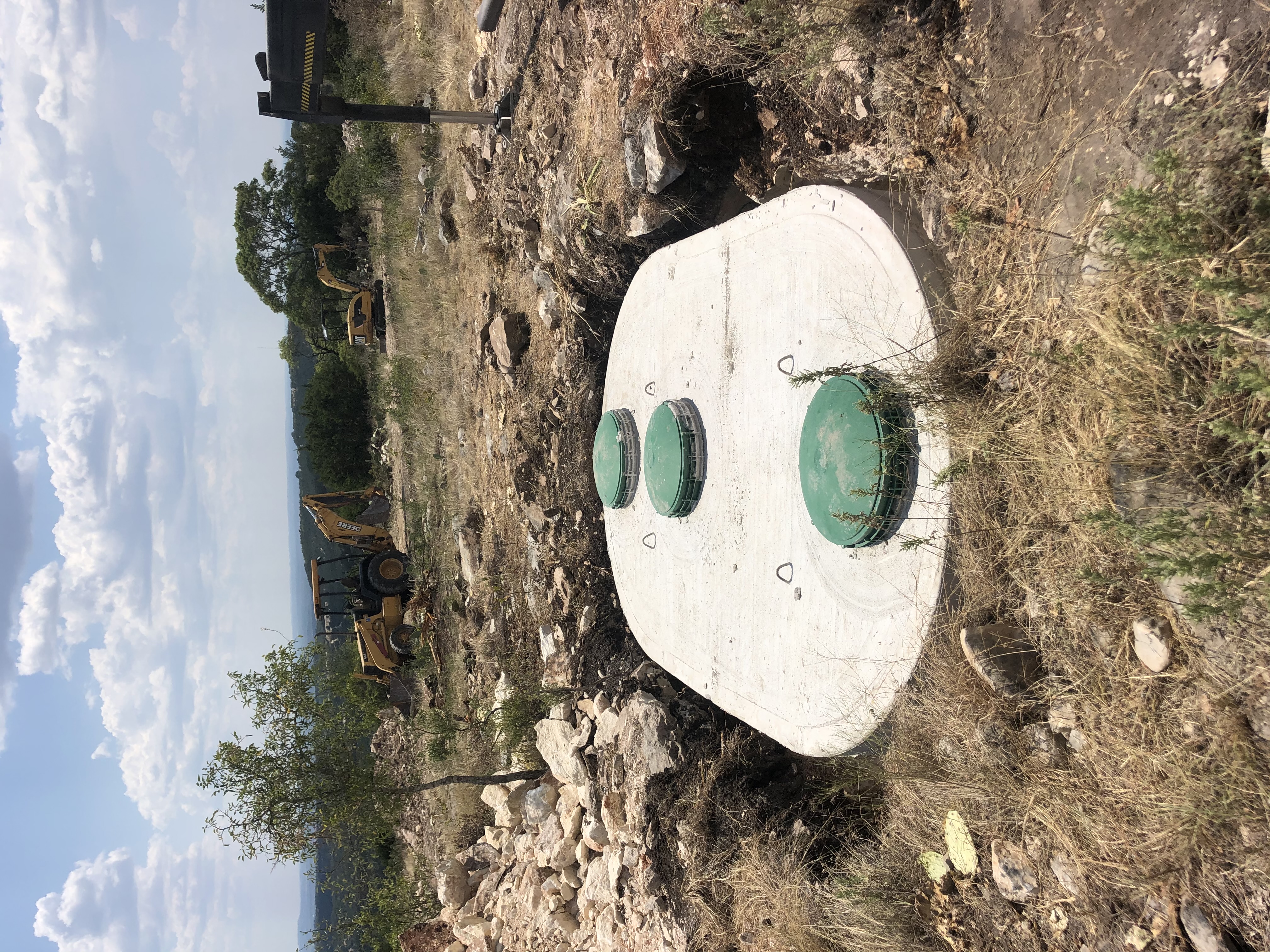
How to Know When Your Septic Tank Needs Pumping: A Clear Guide for Homeowners
Understanding when to pump your septic tank is crucial for maintaining a healthy home and environment. A septic tank is an essential component of a wastewater management system, designed to treat and dispose of household waste. Regular maintenance, including pumping, ensures that your system operates efficiently and prevents costly repairs. This guide will help you identify the signs that indicate your septic tank needs pumping, the recommended maintenance schedule, and the potential risks of neglecting this important task. It is intended to provide homeowners with educational information about septic system care.
What Are the Common Signs Your Septic Tank Is Full?

Recognizing the signs of a full septic tank is vital for homeowners. Ignoring these indicators can lead to severe plumbing issues and environmental hazards. Common signs include slow drains, backups, and unpleasant odors around your property. By being aware of these symptoms, you can take timely action to prevent further complications.
How Do Slow Drains and Backups Indicate a Full Septic Tank?
Slow drains are often the first noticeable sign that your septic tank may be full. When the tank reaches capacity, wastewater cannot flow freely, leading to sluggish drainage in sinks, showers, and toilets. Additionally, backups can occur, where waste material returns to your home, creating unsanitary conditions. These issues indicate that the tank is unable to process waste effectively, necessitating immediate pumping.
What Odors and Surface Issues Signal Septic Tank Problems?
Foul odors around your property can signal septic tank problems. A full tank may cause sewage gases to escape, leading to unpleasant smells near drains or in your yard. Furthermore, surface issues such as pooling water or lush vegetation over the drain field can indicate a malfunctioning system. These signs should prompt homeowners to investigate further and consider scheduling a pumping service with a qualified provider.
How Often Should You Schedule Septic Tank Pumping and Inspections?
Regular septic tank pumping and inspections are essential for maintaining system health. The frequency of these services can depend on various factors, including tank size and household usage. Understanding the recommended maintenance schedule can help you avoid costly repairs and ensure your system operates efficiently.
What Is the Recommended Septic Tank Maintenance Schedule by Tank Size?
The maintenance schedule for septic tanks varies based on their size. Generally, smaller tanks require more frequent pumping than larger ones. Here’s a basic guideline:
1,000-gallon tank: Every 3-5 years
1,500-gallon tank: Every 5-7 years
2,000-gallon tank: Every 7-10 years
Regular inspections should also be conducted to assess the overall condition of the system and identify any potential issues early.
How Do Usage and Household Size Affect Pumping Frequency?
Household size and usage significantly impact how often you should pump your septic tank. Larger families or homes with high water usage may need to pump their tanks more frequently. For instance, if you have a family of five or more, consider scheduling pumping every 2-3 years to prevent overflows and backups.
What Does a Septic System Inspection Involve?

A septic system inspection is a comprehensive evaluation of your system's components and functionality. Regular inspections can help identify issues before they escalate into costly repairs. Understanding what an inspection entails can prepare homeowners for this essential maintenance task.
Determining the proper functioning of a septic system requires a systematic inspection regime and specific techniques.
Septic System Checkup & Inspection Techniques
What is the minimum inspection regime necessary to determine if a septic system is functioning properly? Types of Inspections. The following techniques are simple methods to help an inspector find the exact location of system components and to determine if the system is functioning properly.
Septic system checkup: the Rhode Island handbook for inspection, 2000
How Can Regular Inspections Prevent Costly Repairs?
Regular inspections can save homeowners significant money by identifying potential problems early. For example, a small leak or blockage can be addressed before it leads to a complete system failure, which can be expensive to repair. By investing in routine inspections, you can ensure your septic system remains in good working order.
What Are the Key Components Checked During an Inspection?
During a septic system inspection, several key components are evaluated, including:
Tank condition: Checking for cracks or leaks
Drain field: Assessing for signs of saturation or failure
Piping: Ensuring all connections are secure and functioning
These components are crucial for the overall health of your septic system, and regular checks can help maintain their integrity.
A thorough inspection procedure covers all critical aspects, from the distribution box to the drain field, ensuring comprehensive evaluation.
Comprehensive Septic System Inspection Procedures
Septic System Operation and Evaluation --7 papers, including a comprehensive inspection procedure for evaluation of septic systems; distribution box performance in septic tank-soil absorption systems; domestic wastewater and the sodium factor; and the use of low-pressure systems to provide even distribution of septic tank effluent in septic filter fields.
Inspection manual for existing septic systems, 1994
How Much Does Septic Tank Pumping and Cleaning Cost?
The cost of septic tank pumping and cleaning can vary based on several factors, including tank size, location, and service provider. Understanding these costs can help homeowners budget for necessary maintenance.
What Factors Influence the Cost of Septic Tank Services?
Several factors can influence the cost of septic tank services, including:
Tank size: Larger tanks typically cost more to pump.
Location: Accessibility can affect pricing; remote locations may incur additional fees.
Service type: Additional services, such as inspections or repairs, can increase overall costs.
How to Budget for Septic Maintenance and Unexpected Repairs?
Budgeting for septic maintenance involves considering both regular pumping and potential repairs. Homeowners should set aside funds for routine maintenance and unexpected issues. A good rule of thumb is to allocate 1-2% of your home's value annually for septic system upkeep.
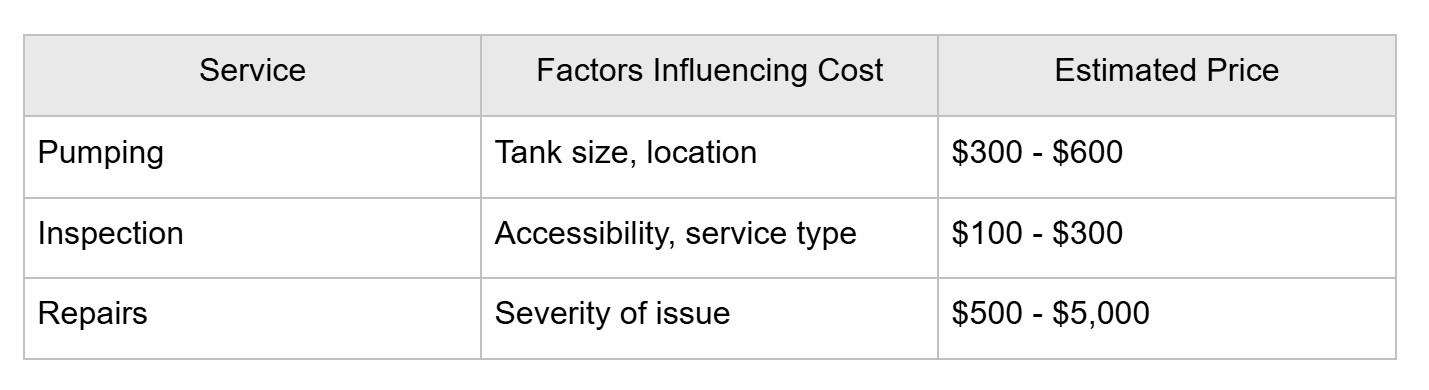
This table provides a general overview of the costs associated with septic tank services, helping homeowners plan accordingly.
What Are the Environmental and Health Risks of Neglecting Septic Pumping?
Neglecting septic tank pumping can lead to significant environmental and health risks. A full or malfunctioning septic system can contaminate groundwater and pose health hazards to your family and community. Understanding these risks is essential for responsible homeownership.
How Can a Neglected Septic Tank Affect Your Property and Community?
A neglected septic tank can lead to sewage backups, which not only damage your property but can also contaminate local water sources. This contamination can affect drinking water supplies and harm local ecosystems, leading to broader community health issues.
Indeed, the consequences of inadequate septic maintenance extend to widespread environmental degradation, including groundwater and surface water pollution.
Septic Tank Maintenance: Preventing Environmental Contamination
However, the systems are not without challenges resulting from choice of inept skill, improper siting, non- adherence to proper design concepts and lack of proper maintenance. These bring about negative environmental impacts ranging from ground water contamination, pollution of surface water bodies to contribution to global warming through the emission of green house gases.
Effects of sewage disposal systems on the environment in public housing estates in enugu metrpolis, BSA Okoye, 2018
What Local Regulations Should Homeowners in Central Texas Know?
Homeowners in Central Texas should be aware of local regulations regarding septic systems. These regulations often dictate maintenance schedules, inspection requirements, and proper disposal methods. Familiarizing yourself with these rules can help ensure compliance and protect your property.
Additional Resources for Septic System Maintenance
For homeowners seeking septic tank pumping and maintenance services, it is important to contact qualified and licensed professionals in your area. Local providers can offer expert advice, inspections, and pumping services tailored to your specific system and regional requirements.
Staying informed about septic tank maintenance and recognizing the signs that indicate when pumping is necessary can help protect your property and the environment. Regular inspections and timely pumping are essential for a healthy septic system.