Penalties for Non-Compliance With Texas Septic System Regulations: Understanding TCEQ Rules and Compliance Requirements
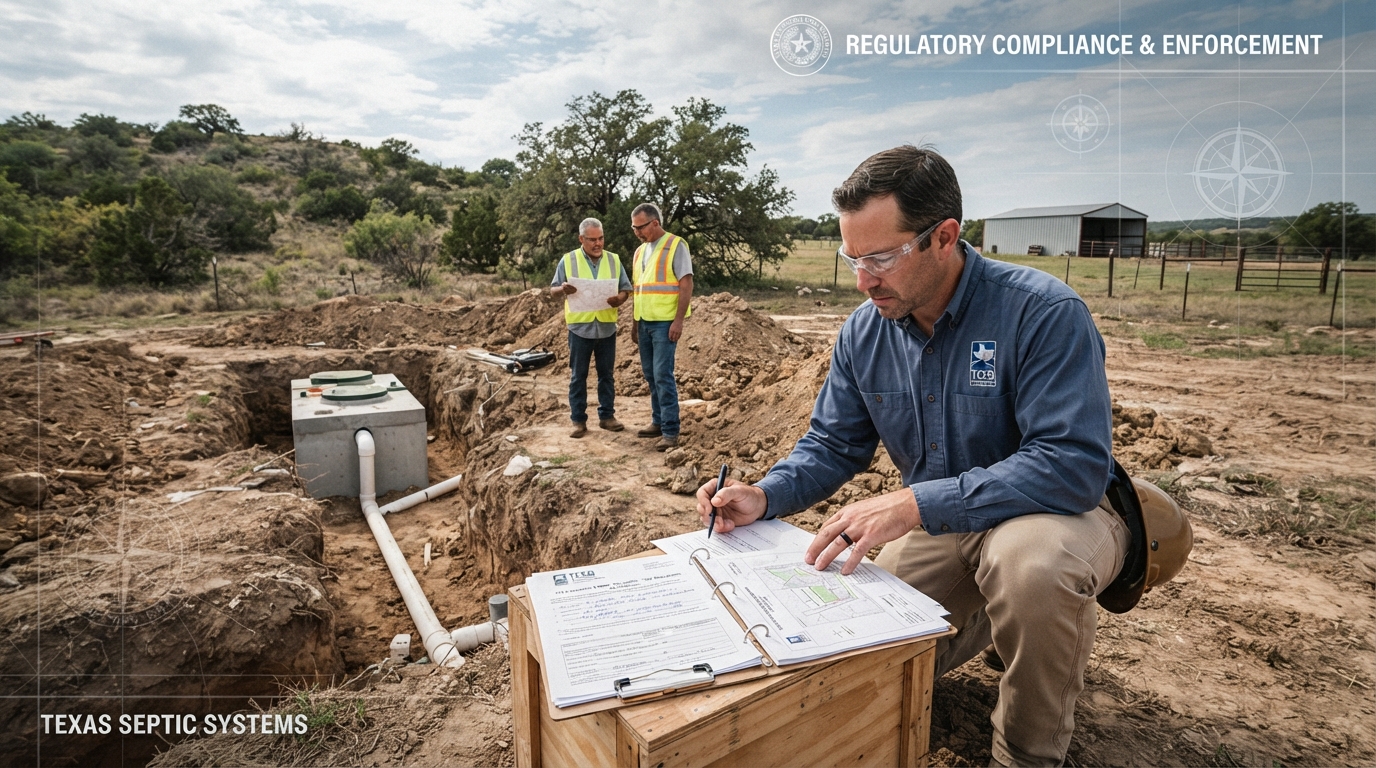
In Texas, septic system regulations are crucial for maintaining public health and environmental safety. The Texas Commission on Environmental Quality (TCEQ) enforces these regulations, ensuring that septic systems are installed, maintained, and operated according to established standards. This article will explore the penalties for non-compliance with these regulations, the importance of adhering to them, and the steps property owners can take to ensure compliance.
Compliance Requirements
To operate a septic system in Texas, property owners must adhere to specific compliance requirements set forth by the TCEQ. These include obtaining the necessary permits before installation, ensuring regular inspections, and performing ongoing maintenance. Permits are essential as they ensure that the system is designed and installed according to state regulations. Regular inspections help identify potential issues before they escalate, while maintenance is crucial for the longevity and efficiency of the system. Understanding and meeting these permitting, inspection, and maintenance requirements is the first step property owners can take to avoid TCEQ penalties for non-compliance.
TCEQ Requirements by Septic System Type
Not all septic systems are regulated the same way. TCEQ applies different design standards, maintenance schedules, and enforcement triggers depending on whether a property uses a conventional system or an aerobic treatment unit (ATU). Understanding which rules apply to your system is key to staying compliant and avoiding penalties.
Conventional Septic Systems
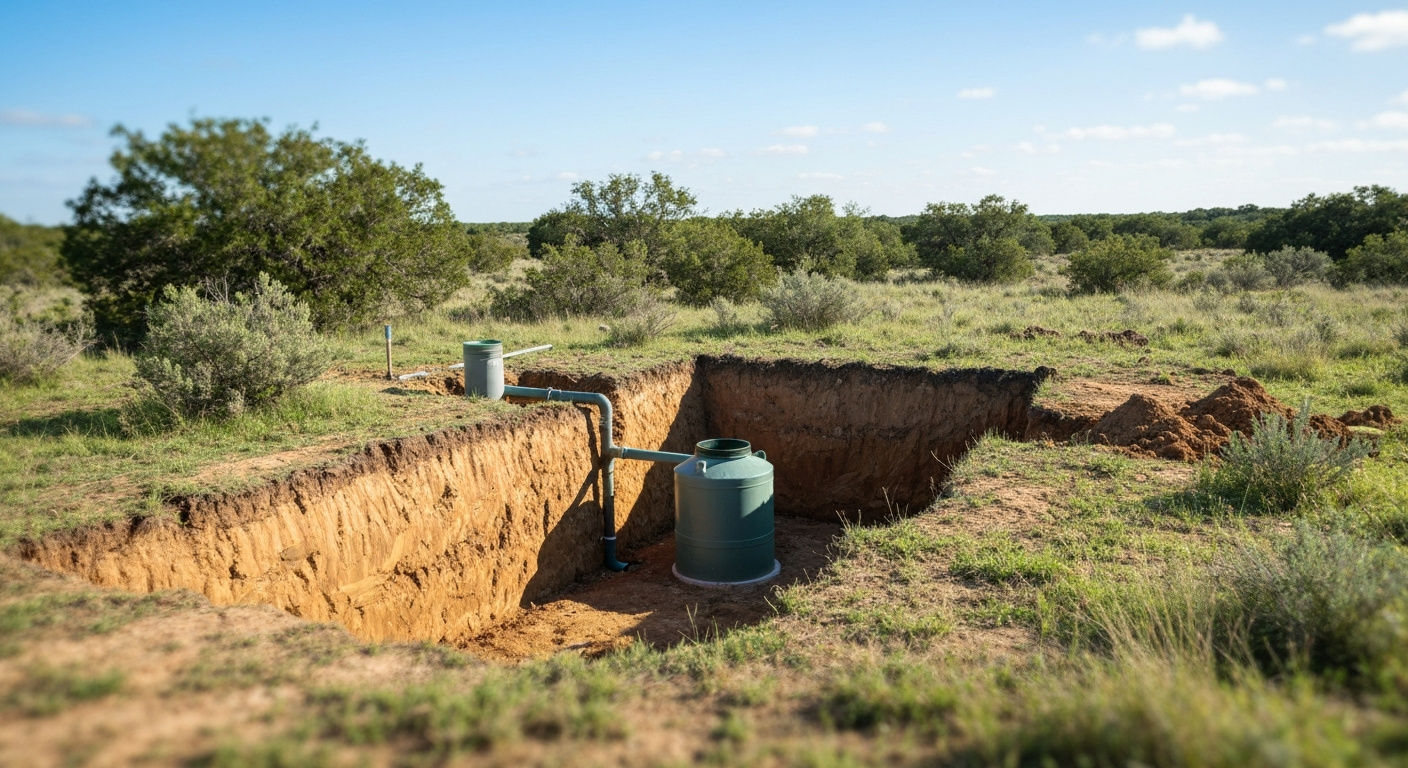
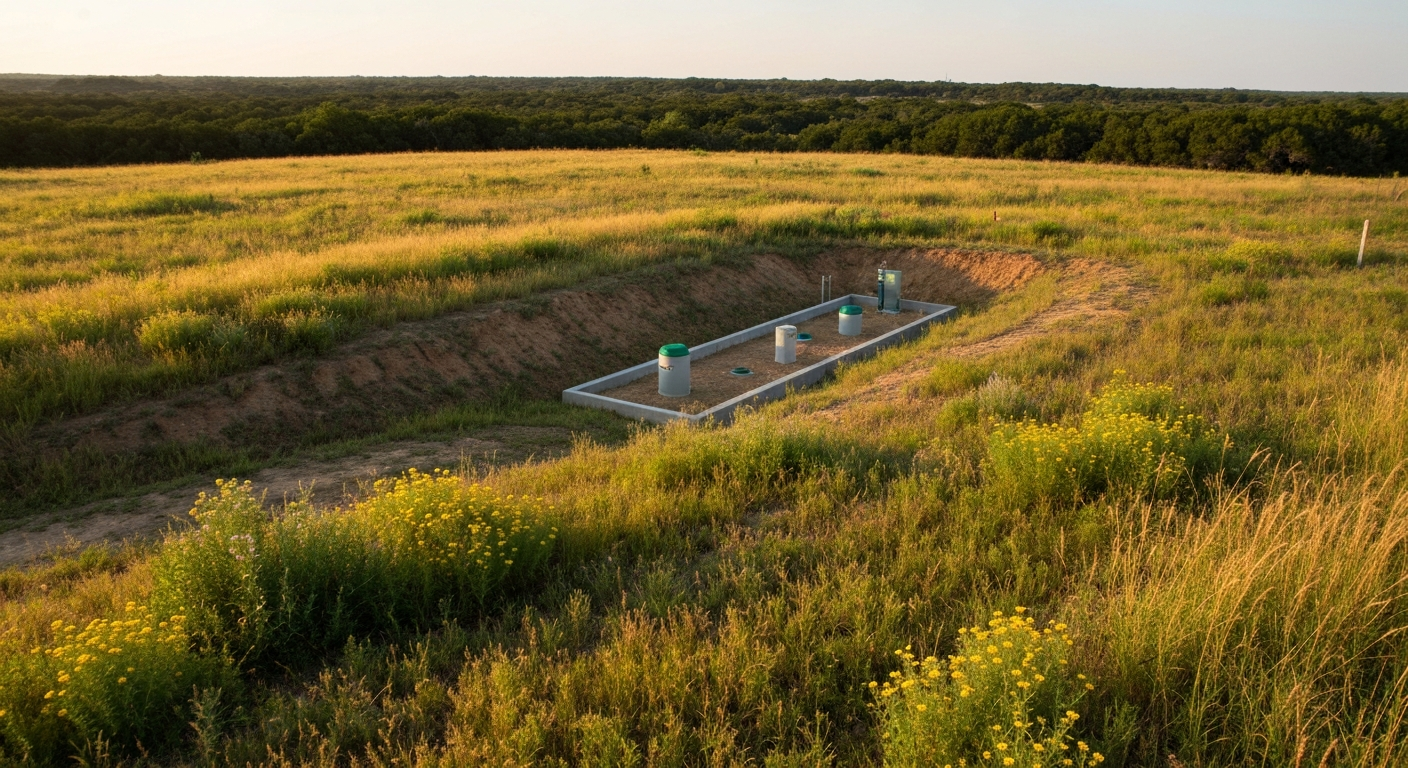
Conventional septic system regulations in Texas center on systems that rely on anaerobic bacteria to break down waste and typically discharge treated effluent to a subsurface drainfield. They remain moderate performers, removing roughly 60-70% of biochemical oxygen demand (BOD), and TCEQ generally requires a larger lot with good soil percolation to support them.
- Installation standards: Must be designed by a licensed sanitarian or professional engineer for lots under 10 acres, installed by a TCEQ-licensed Installer I, and approved through a county Authorization to Construct before the system is covered.
- Maintenance schedule: Tanks should be inspected periodically and the solids removed roughly every three to five years, depending on household size and usage.
- Common non-compliance issues: The most frequent violations TCEQ and county inspectors cite are overdue tank service, unauthorized system modifications or additions without a new permit, and drainfield damage from vehicles, structures, or landscaping built too close to the system.
Aerobic Treatment Units (ATUs)
Aerobic treatment unit requirements start with how these systems work: they inject oxygen into the wastewater to speed up bacterial activity, achieving a much higher treatment standard (95%+ BOD removal). This makes them the go-to option for smaller lots, poor soil, or properties near water where a conventional system isn't feasible — but it also comes with stricter, ongoing TCEQ obligations.
- Installation standards: Aerobic systems generally require a TCEQ-licensed Installer II, given their added mechanical complexity, along with the same engineering, permitting, and final inspection steps as conventional systems.
- Maintenance contract requirement: TCEQ requires every aerobic system owner to maintain an active maintenance contract with a licensed service provider. That provider must inspect the system at least every four months and submit inspection reports to the county — this is a legal obligation, not an optional service.
- Disinfection and alarms: Owners are responsible for keeping the chlorinator stocked with approved disinfectant and responding promptly to any system alarm, both of which TCEQ treats as active compliance requirements.
- Common non-compliance issues: The violations TCEQ flags most often on aerobic systems are a lapsed or missing maintenance contract, an empty chlorinator, and an ignored alarm signaling system failure. Any of these can trigger a notice of violation even if the system appears to be running.
Because aerobic systems carry more ongoing obligations than conventional ones, Liberty Septic and Excavating recommends confirming your maintenance contract status and inspection schedule as a first step toward compliance, regardless of which system type your property uses.
Potential Consequences for Violations
Violating Texas septic system regulations can lead to significant penalties. The TCEQ has established a range of septic system penalties in Texas for non-compliance, which can vary based on the severity of the violation.
| Penalty Type | Description | Impact Level |
|---|---|---|
| Fines | Monetary penalties can range from minor fines for first-time offenses to substantial fines for repeated violations. | High |
| Rework Costs | Property owners may incur additional costs to rectify non-compliant systems, which can be substantial depending on the required changes. | Medium |
| Legal Action | Continued violations can lead to legal actions, including lawsuits or injunctions, which can further complicate compliance efforts. | High |
These penalties highlight the importance of adhering to TCEQ regulations to avoid financial and legal repercussions.
Understanding the broader context of septic system legal frameworks reveals common challenges in enforcement and the pursuit of comprehensive solutions for environmental and public health.
Septic System Legal Schemes & Enforcement Challenges
Maryland's Septic Law represents an effort at a statewide legal scheme for approaching the issue of rapid development on septic. Part III evaluates three issues with the law: (1) the effects of the limited scope of the Septic law; (2) the impact of geography on the Septic Law; and (3) the lack of enforcement due to the voluntary nature of the Septic Law.
Importance of Compliance
Compliance with septic system regulations is essential for several reasons. First and foremost, it protects public health by ensuring that wastewater is treated properly and does not contaminate drinking water sources. Additionally, compliance helps prevent environmental degradation, which can occur when septic systems fail or are improperly maintained. Lastly, adhering to these regulations helps property owners avoid financial penalties and legal issues that can arise from non-compliance.
Liberty Septic and Excavating emphasizes the importance of compliance by providing services that ensure septic systems are installed and maintained according to TCEQ standards. Their expertise can help property owners navigate the complexities of septic system regulations.
What Are the Key Texas Septic System Regulations Enforced by TCEQ?
The TCEQ enforces several key regulations regarding septic systems in Texas. These regulations include a comprehensive permitting process, adherence to design and operating standards, and the requirement for regular inspections. The permitting process ensures that all systems are evaluated for compliance with state standards before installation. Design and operating standards dictate how systems should function to prevent failures, while regular inspections are mandated to ensure ongoing compliance and system integrity.
Which TCEQ rules govern septic system installation and maintenance in Texas?
Specific TCEQ rules govern the installation and maintenance of septic systems in Texas. These rules require that permits be obtained before any installation work begins. Additionally, the type of septic system installed must meet TCEQ standards, which vary based on the size of the property and the number of occupants. Regular maintenance is also required to ensure that systems function correctly and do not pose a risk to public health or the environment.
How do Texas Septic System Compliance Requirements protect the environment?
Texas septic system compliance requirements play a vital role in protecting the environment. By ensuring that systems are properly designed and maintained, these regulations help protect groundwater from contamination. They also prevent surface water pollution, which can occur when septic systems fail. Furthermore, compliance minimizes soil contamination, which can have long-term effects on local ecosystems. Understanding these environmental benefits underscores the importance of adhering to TCEQ regulations.
How Does TCEQ Enforce Septic System Regulations and Impose Penalties?
The TCEQ employs various enforcement mechanisms to ensure compliance with septic system regulations. This includes managing septic system permits and conducting inspections to verify compliance. When violations are identified, the TCEQ can impose sanctions, including fines and legal actions. Documentation is crucial for compliance, as it provides evidence of adherence to regulations and can help mitigate penalties in the event of a violation.
Further insight into the state's approach to environmental enforcement highlights the specific policies and processes that govern such activities in Texas.
Texas Environmental Enforcement: Policies & Processes
Environmental enforcement activities in Texas by the EPA, TWC, and TACB. It notes important enforcement priorities and outlines key enforcement trends, policies, and processes. Civil and criminal environmental enforcement in Texas.
What are the TCEQ enforcement procedures for septic system violations?
TCEQ enforcement procedures for septic system violations can vary based on the nature and severity of the violation. Initial enforcement actions may include warnings or notices of violation, allowing property owners to rectify issues before facing more severe penalties. If violations persist, fines may be imposed, and legal actions can follow. Understanding these procedures is essential for property owners to navigate compliance effectively.
What Steps Can Property Owners Take to Achieve and Maintain Texas Septic System Compliance?
Property owners can take several proactive steps to ensure compliance with Texas septic system regulations:
- Schedule Regular Inspections: Regular inspections help identify potential issues before they escalate, ensuring systems remain compliant.
- Keep Detailed Maintenance Records: Maintaining records of all inspections and maintenance activities can provide essential documentation in case of a compliance review.
- Educate Household Members on Proper Usage: Ensuring that all household members understand how to use the septic system properly can prevent misuse and potential violations.
By following these steps, property owners can significantly reduce the risk of non-compliance and its associated penalties.
For those seeking assistance with septic system compliance in specific areas, Liberty Septic offers services across various locations.
How Does Liberty Septic and Excavating Support Compliance Through Installation and Repair Services?
Liberty Septic and Excavating plays a crucial role in helping property owners achieve and maintain compliance with Texas septic system regulations. They offer a range of services, including septic system installation, maintenance, and repair. Their expertise ensures that systems are installed according to TCEQ standards, and they assist with permit applications to streamline the compliance process. By partnering with Liberty Septic and Excavating, property owners can navigate the complexities of septic system regulations with confidence, ensuring their systems remain compliant and functional.
To get in touch with the company and learn more about their services, visit the contact page.