Aerobic Septic Systems in Georgetown, TX: Permits, Costs, and What to Expect
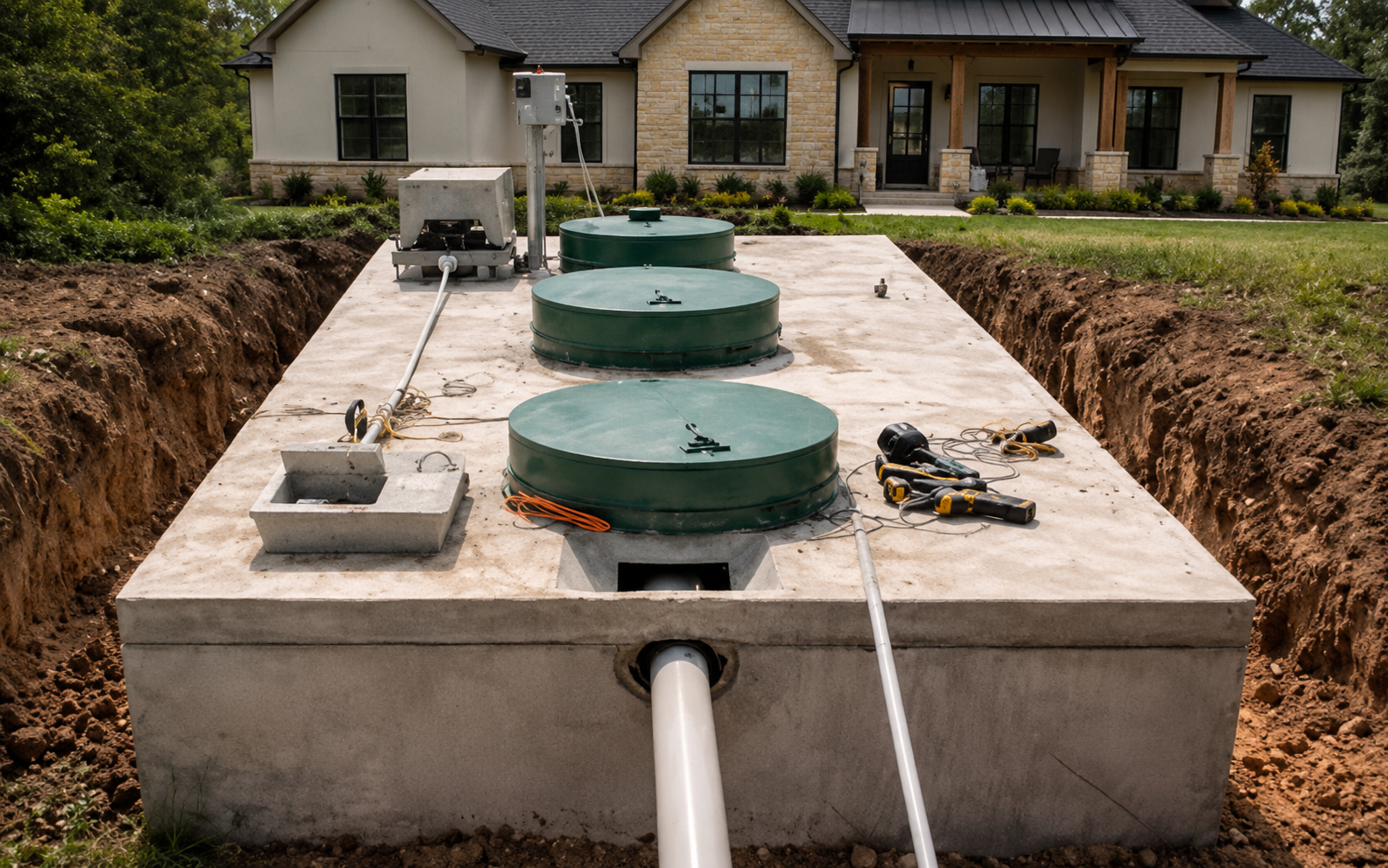
Aerobic septic systems are increasingly popular in Georgetown, TX, due to their efficiency in treating wastewater. These systems utilize oxygen to break down waste, making them a viable option for homeowners looking for effective sewage treatment solutions. In this article, we will explore the essential aspects of aerobic septic systems, including the necessary permits, estimated costs, installation processes, and maintenance requirements. Understanding these elements is crucial for homeowners considering an aerobic septic system, as it helps navigate the complexities of local regulations and financial planning. We will also discuss the differences between aerobic and traditional septic systems, the permit requirements in Georgetown and Williamson County, and what to expect during and after installation.
Required Permits
Before installing an aerobic septic system in Georgetown, TX, homeowners must obtain the necessary permits to ensure compliance with local regulations. The primary authority overseeing these permits is the local health department, which enforces guidelines set by the Texas Commission on Environmental Quality (TCEQ). These regulations are designed to protect public health and the environment by ensuring that septic systems are installed correctly and maintained properly.
This regulatory framework has a history rooted in state legislative efforts to improve wastewater treatment and reduce costs for consumers.
Texas Onsite Wastewater Funding & Regulations
In late 1980s and early 1990s Texas State legislators debated and passed a law that required the state regulatory agency to award competitive grants and support applied research and demonstration projects regarding on-site wastewater treatment technology and systems for improving the quality of wastewater treatment and reducing the cost of providing wastewater treatment to consumers. The law was famously called the $10 research fee law which allowed the environmentally agency to fund research and demonstration projects for two decades, from 1992 to 2012. In Texas, onsite wastewater systems are defined as systems for the disposal of domestic sewage, excluding liquid waste resulting from the processes used in industrial and commercial establishments that is located on the site where the sewage is produced; and produces not more than 5,000 gallons of waste a day.
The permit application process typically involves submitting detailed plans of the proposed system, including site evaluations and soil tests. Homeowners should be prepared to provide documentation that demonstrates compliance with local health standards. Understanding these requirements is essential for a smooth installation process and to avoid potential delays.
Estimated Costs
When considering an aerobic septic system, it's important to budget for various costs associated with installation and maintenance. The overall expenses can vary significantly based on several factors, including system type, site conditions, and local permit fees.
Breaking Down Installation Costs: Materials, Labor, and Permits
The installation costs for aerobic septic systems generally include:
- Materials Costs: The price of the aerobic treatment unit (ATU) itself can range from $6,000 to $15,000, depending on the system's capacity and features.
- Labor Costs: Installation labor typically adds another $3,000 to $6,000, influenced by the complexity of the installation and local labor rates.
- Permit Fees: Homeowners should also account for permit fees, which can range from $300 to $1,200, depending on the local health department's requirements.
These costs can add up, so it's essential to plan accordingly and consider potential financing options.
Financing Options and Cost-Saving Tips for Homeowners
Homeowners looking to install an aerobic septic system can explore various financing options to ease the financial burden. Some potential avenues include:
- Home Improvement Loans: Many banks and credit unions offer loans specifically for home improvements, which can cover the costs of septic system installation.
- Government Grants and Assistance Programs: Certain local and state programs may provide financial assistance for homeowners installing environmentally friendly systems.
- Cost-Saving Strategies: Homeowners can save on costs by obtaining multiple quotes from contractors, opting for off-season installations, and performing some preparatory work themselves.
By exploring these options, homeowners can make informed decisions that align with their financial capabilities.
Installation Process
The installation of an aerobic septic system involves several critical steps to ensure proper functionality and compliance with local regulations. Initially, a site evaluation is conducted to assess soil conditions and determine the best location for the system. This evaluation is crucial for ensuring that the system will operate effectively and meet health standards.
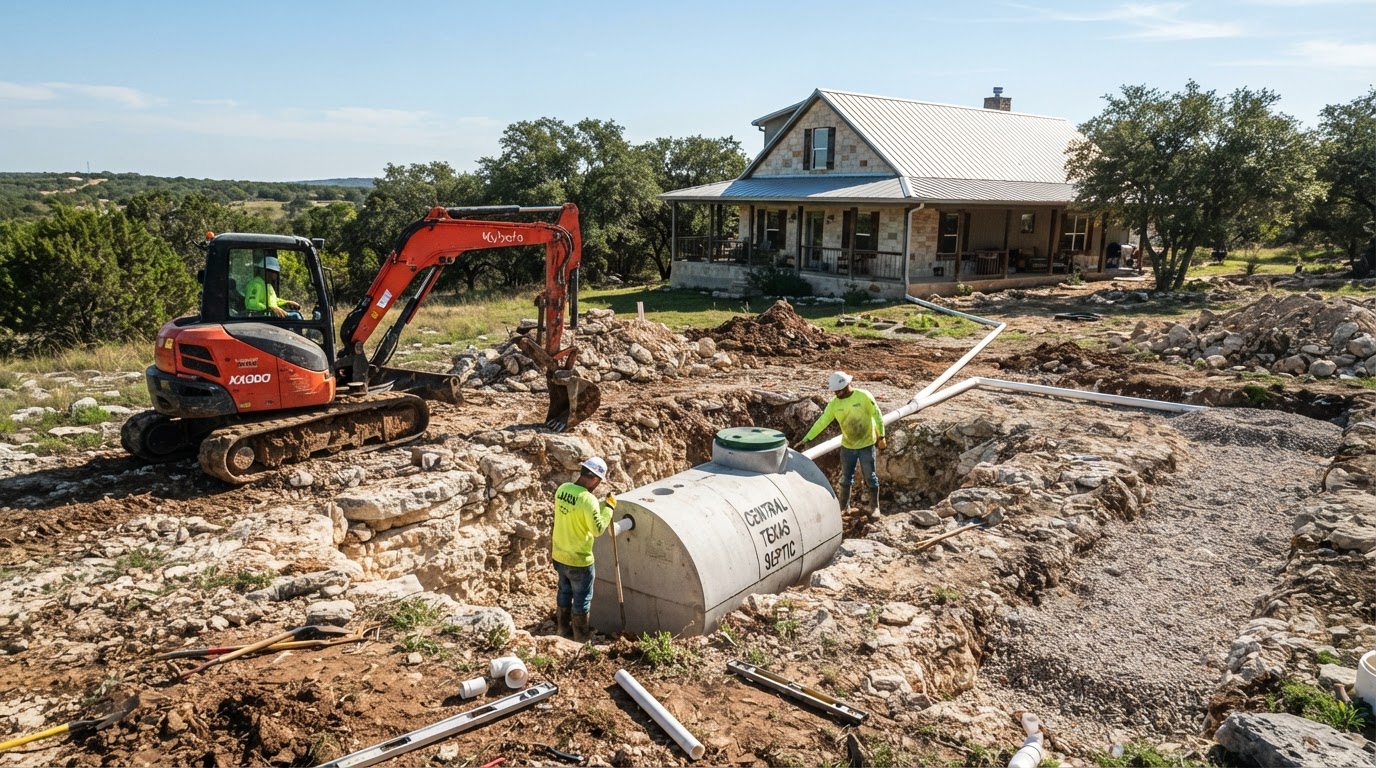
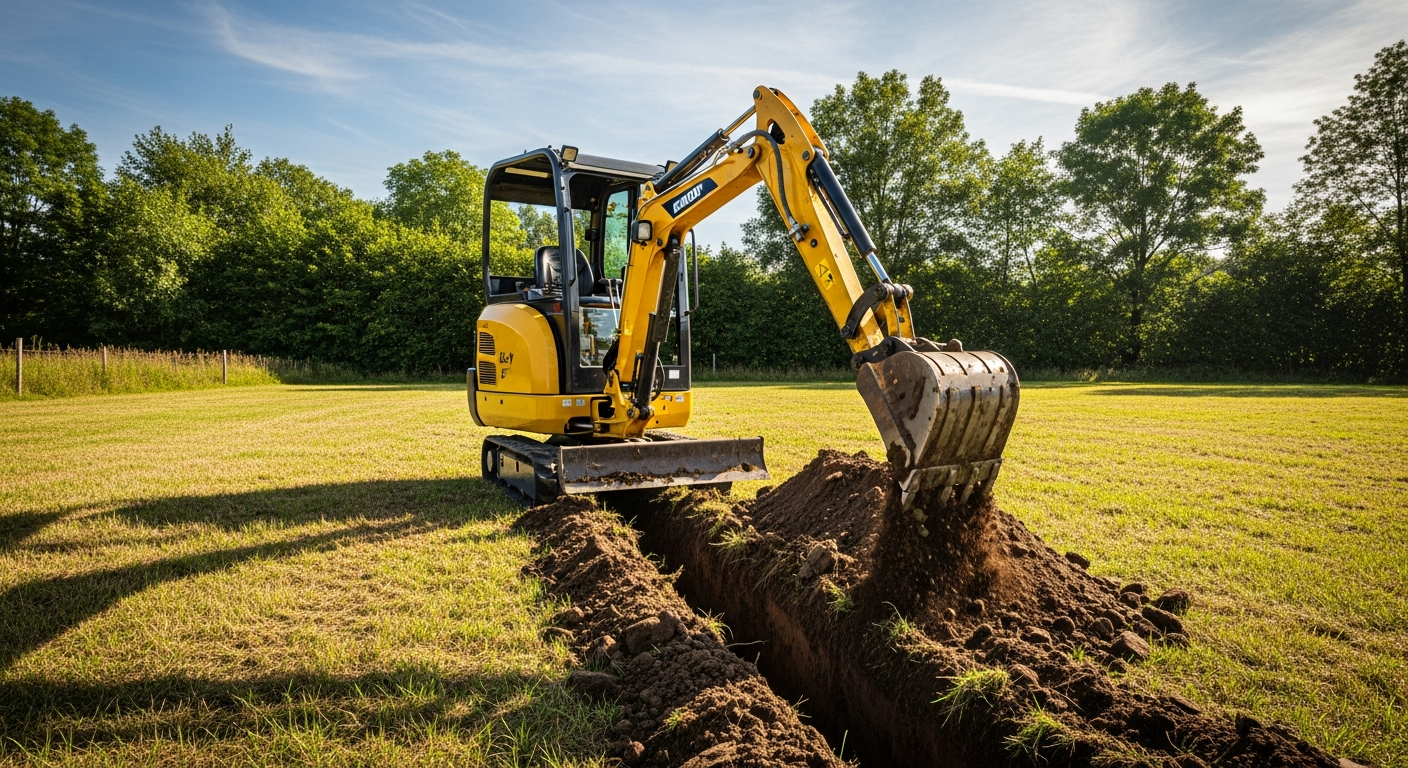
Once the site is approved, the permitting process begins, which can take several weeks. After obtaining the necessary permits, the installation can proceed, typically taking 1-3 days, depending on the system's complexity and site conditions. Homeowners should be prepared for some disruption during this time, as excavation and construction activities will be taking place.
Maintenance Requirements
Maintaining an aerobic septic system is essential for its longevity and efficiency. Regular maintenance includes routine inspections, pumping, and monitoring the system's performance. Homeowners should adhere to the following maintenance guidelines:
- Regular Pumping: Aerobic systems generally require pumping every 1-3 years, depending on usage and system design.
- Routine Inspections: Annual inspections by a qualified technician can help identify potential issues before they become significant problems.
- Proper Usage Guidelines: Homeowners should avoid flushing non-biodegradable items and excessive chemicals down the drain, as these can disrupt the system's biological processes.
By following these maintenance requirements, homeowners can ensure their aerobic septic systems operate efficiently and effectively.
What Are Aerobic Septic Systems and How Do They Work in Georgetown, TX?
Aerobic septic systems, also known as Aerobic Treatment Units (ATUs), are advanced wastewater treatment systems that utilize oxygen to break down organic matter. Unlike traditional septic systems, which rely on anaerobic bacteria, aerobic systems introduce air into the treatment process, enhancing the breakdown of waste and producing cleaner effluent.
Understanding Aerobic Treatment Units and Their Benefits
Aerobic Treatment Units offer several advantages over traditional septic systems, including:
- Higher Treatment Efficiency: The aeration process significantly improves the breakdown of organic materials, resulting in cleaner effluent that is safer for the environment.
- Smaller Footprint: ATUs typically require less space than conventional systems, making them suitable for properties with limited land.
- Flexibility in Installation: Aerobic systems can be installed in various soil types and conditions, providing more options for homeowners.
These benefits make aerobic septic systems an attractive choice for many homeowners in Georgetown, TX.
Differences Between Aerobic and Traditional Septic Systems
The primary differences between aerobic and traditional septic systems include:
- Treatment Process: Aerobic systems use oxygen to enhance waste breakdown, while traditional systems rely on anaerobic bacteria.
- Maintenance Needs: Aerobic systems generally require more frequent maintenance and monitoring compared to traditional systems.
- Environmental Impact: The cleaner effluent produced by aerobic systems is less likely to contaminate groundwater, making them a more environmentally friendly option.
Understanding these differences can help homeowners make informed decisions about their wastewater treatment options.
What Are the Septic System Permit Requirements in Georgetown and Williamson County?
In Georgetown and Williamson County, the permit requirements for septic systems are designed to ensure public health and environmental protection. Homeowners must navigate a series of regulations and documentation to obtain the necessary permits for their aerobic septic systems.
Step-by-Step Septic Permit Application Process in Georgetown, TX
The septic permit application process typically involves the following steps:
- 1Site Evaluation: Conduct a thorough evaluation of the proposed installation site to assess soil conditions and drainage.
- 2Permit Application Submission: Complete and submit the permit application along with required documentation, including site plans and soil test results.
- 3Review and Approval: The local health department reviews the application, which may take several weeks. Homeowners should be prepared for potential follow-up questions or requests for additional information.
By understanding this process, homeowners can better prepare for the requirements and timelines involved in obtaining their septic permits.
Key Regulations and Compliance for ATU Septic Systems in Williamson County
Homeowners must comply with several key regulations when installing aerobic septic systems in Williamson County, including:
- TCEQ Compliance: All systems must meet the standards set by the Texas Commission on Environmental Quality to ensure safe and effective wastewater treatment.
- Local Health Department Requirements: Homeowners must adhere to specific guidelines established by the local health department, including site evaluations and maintenance protocols.
- Maintenance Regulations: Regular maintenance and inspections are mandated to ensure the system operates effectively and does not pose a risk to public health.
Understanding these regulations is crucial for homeowners to ensure compliance and avoid potential fines or issues with their septic systems.
How Much Does Aerobic Septic System Installation Cost in Georgetown, TX?
The cost of installing an aerobic septic system in Georgetown, TX, can vary widely based on several factors, including system type, site conditions, and local labor rates. Homeowners should be aware of the various components that contribute to the overall installation cost.
Breaking Down Installation Costs: Materials, Labor, and Permits
As previously mentioned, the installation costs typically include:
- Materials Costs: The cost of the aerobic treatment unit itself can range from $6,000 to $15,000.
- Labor Costs: Installation labor typically adds another $3,000 to $6,000.
- Permit Fees: Homeowners should also account for permit fees, which can range from $300 to $1,200.
By understanding these costs, homeowners can better prepare their budgets for the installation of an aerobic septic system.
What to Expect During and After Aerobic Septic System Installation?
The installation of an aerobic septic system is a significant undertaking that requires careful planning and execution. Homeowners should be aware of what to expect during the installation process and the necessary steps to take afterward.
Typical Installation Timeline and Process Overview
The installation process typically follows these phases:
- 1Preparation: This phase includes site evaluation and obtaining necessary permits, which can take several weeks.
- 2Installation: The actual installation usually takes 1-3 days, depending on the complexity of the system and site conditions.
- 3Post-Installation Care: After installation, homeowners should monitor the system's performance and schedule any necessary inspections.
Understanding this timeline can help homeowners prepare for the installation process and minimize disruptions.
Post-Installation Care and Initial System Testing
After the installation of an aerobic septic system, homeowners should take the following steps to ensure proper functioning:
- Initial Testing: Conduct initial testing to ensure the system is operating correctly and efficiently.
- Regular Monitoring: Homeowners should monitor the system's performance and schedule routine inspections to identify any potential issues early.
- Education on System Use: Understanding how to use the system properly is crucial for maintaining its efficiency and longevity.
By following these steps, homeowners can ensure their aerobic septic systems operate effectively and provide reliable wastewater treatment.
How to Maintain and Troubleshoot Your Aerobic Treatment Unit Septic System?
Maintaining an aerobic treatment unit (ATU) is essential for ensuring its longevity and efficiency. Homeowners should be proactive in their maintenance efforts to prevent costly repairs and ensure optimal performance.
Routine Maintenance Checklist for Aerobic Septic Systems
Homeowners should adhere to the following routine maintenance checklist:
- Regular Pumping: Schedule pumping every 1-3 years, depending on usage and system design.
- Annual Inspections: Have a qualified technician inspect the system annually to identify potential issues.
- Monitor System Performance: Keep an eye on the system's performance and address any unusual odors or slow drainage promptly.
By following this checklist, homeowners can maintain their aerobic septic systems effectively.
Common Issues and Troubleshooting Tips for ATUs
Homeowners may encounter several common issues with their aerobic treatment units. Here are some troubleshooting tips:
- Odors: If unpleasant odors are present, it may indicate a problem with the aeration process or a need for pumping.
- Slow Drainage: Slow drainage can be a sign of clogs or system overload. Homeowners should check for non-biodegradable items in the system.
- System Alarms: Many ATUs come equipped with alarms. If an alarm sounds, homeowners should contact a technician immediately to assess the situation.
By being aware of these common issues and their solutions, homeowners can address problems quickly and maintain their systems effectively.
What Are the Latest Environmental and Regulatory Updates for Aerobic Septic Systems in 2026?
As of 2026, several environmental and regulatory updates impact aerobic septic systems in Texas. Homeowners should stay informed about these changes to ensure compliance and make informed decisions regarding their systems.
2026 Texas Wastewater Regulations Impacting Septic Systems
Recent updates to Texas wastewater regulations include:
- Increased Monitoring Requirements: New regulations mandate more frequent monitoring of aerobic systems to ensure compliance with environmental standards.
- Enhanced Treatment Standards: Stricter treatment standards have been implemented to reduce the environmental impact of wastewater discharge.
- Incentives for Sustainable Practices: Homeowners may be eligible for incentives when installing environmentally friendly systems, promoting sustainable wastewater management.
Staying informed about these regulations is crucial for homeowners to ensure compliance and take advantage of potential benefits.
Sustainable Wastewater Solutions and Local Case Studies in Georgetown
Local case studies in Georgetown highlight successful implementations of sustainable wastewater solutions, including:
- Community Education Programs: Initiatives aimed at educating homeowners about the benefits of aerobic systems and proper maintenance practices.
- Partnerships with Local Agencies: Collaborations between local health departments and service providers to promote sustainable practices and compliance with regulations.
- Innovative Technologies: Adoption of new technologies that enhance the efficiency and effectiveness of aerobic septic systems.
These case studies demonstrate the community's commitment to sustainable wastewater management and the importance of staying informed about best practices.
Where Can You Find Trusted Aerobic Septic System Services in Georgetown, TX?
Finding reliable service providers for aerobic septic systems is essential for homeowners looking to install or maintain their systems. Several factors should be considered when selecting a contractor.
To ensure you receive high-quality service and support throughout the installation and maintenance processes, it's important to choose a reputable provider. Liberty Septic and Excavating specializes in septic system installation, repair, and maintenance in Georgetown, TX, and Williamson County.
How to Choose a Reliable Septic Contractor in Williamson County
When selecting a septic contractor, homeowners should consider the following factors:
- Experience and Expertise: Look for contractors with a proven track record in installing and maintaining aerobic septic systems.
- Licensing and Insurance: Ensure that the contractor is licensed and insured to protect against potential liabilities.
- Customer Reviews: Check online reviews and testimonials to gauge the contractor's reputation and quality of service.
By following these guidelines, homeowners can find a reliable contractor to assist with their aerobic septic system needs.
Frequently Asked Questions About Aerobic Septic Systems in Georgetown, TX?
Homeowners often have questions regarding aerobic septic systems, particularly about installation and maintenance.
For those residing in specific locales, such as the surrounding areas, Liberty Septic and Excavating extends its expertise to ensure comprehensive coverage.
How Long Does ATU Installation Take on Average?
The average installation time for an aerobic treatment unit is typically between 1 to 3 days, depending on the complexity of the system and site conditions. Homeowners should plan for some disruption during this time.
What Are the Typical Costs and Permit Requirements?
The costs associated with installing an aerobic septic system can range from $7,000 to $20,000, including materials, labor, and permit fees. Homeowners should be prepared to navigate the permit application process, which involves site evaluations and compliance with local regulations.
Need Help with Your Septic System?
To learn more about our company and our commitment to quality, visit our website. If you have any questions or need assistance, don't hesitate to contact us for expert guidance and support.
Get a Free Estimate