Liberty Hill Septic Installation — A practical guide to process, cost, and ongoing care
By Ricky Maynard, Liberty Septic & Excavating
If your Liberty Hill property is off the municipal sewer, a correctly installed septic system protects health and property. This guide summarizes the installation steps, typical costs, permitting, and the maintenance needed to keep a system working reliably and in compliance with local rules.
Rural lots often present older layouts, tighter setbacks, and site constraints that affect system choice and repairs.
Septic system regulations and rural cost drivers
Many older rural neighborhoods were laid out with small lots, minimal setbacks from surface waters and slopes, and little consideration of soils or septic standards. As a result, many on-site systems now fail and can discharge sewage improperly. Current health regulations focus on defining acceptable systems for new construction; existing homes that don't meet today's standards are often limited to non-conforming repairs.
Key takeaways
- Start with a detailed site assessment; local rules determine what systems are allowed.
- Typical steps: site evaluation, design, permits, excavation, installation, and inspection.
- Installation commonly ranges from about $6,000 to $18,000 depending on type and site.
- Soil testing and site limits drive design and long-term performance.
- Maintain tanks (pump every 3–5 years) and inspect annually to avoid failures.
- Don't flush wipes or pour strong chemicals; they harm system biology and drainfields.
- Texas and local rules protect groundwater and influence siting and technology choices.
- Advanced or eco-friendly options can reduce nutrient discharge where suitable.
- Most installs take roughly 1–3 weeks, depending on permitting and site work.
Installation process
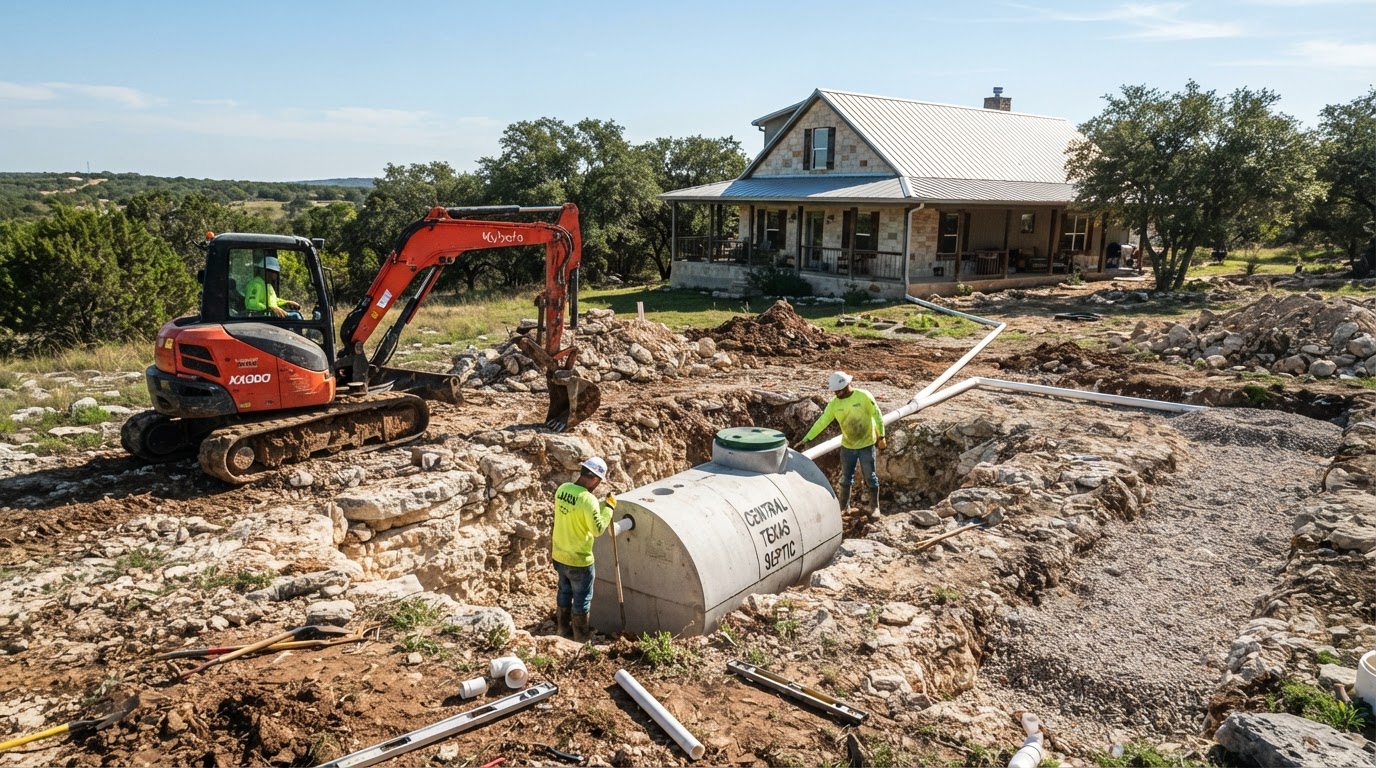
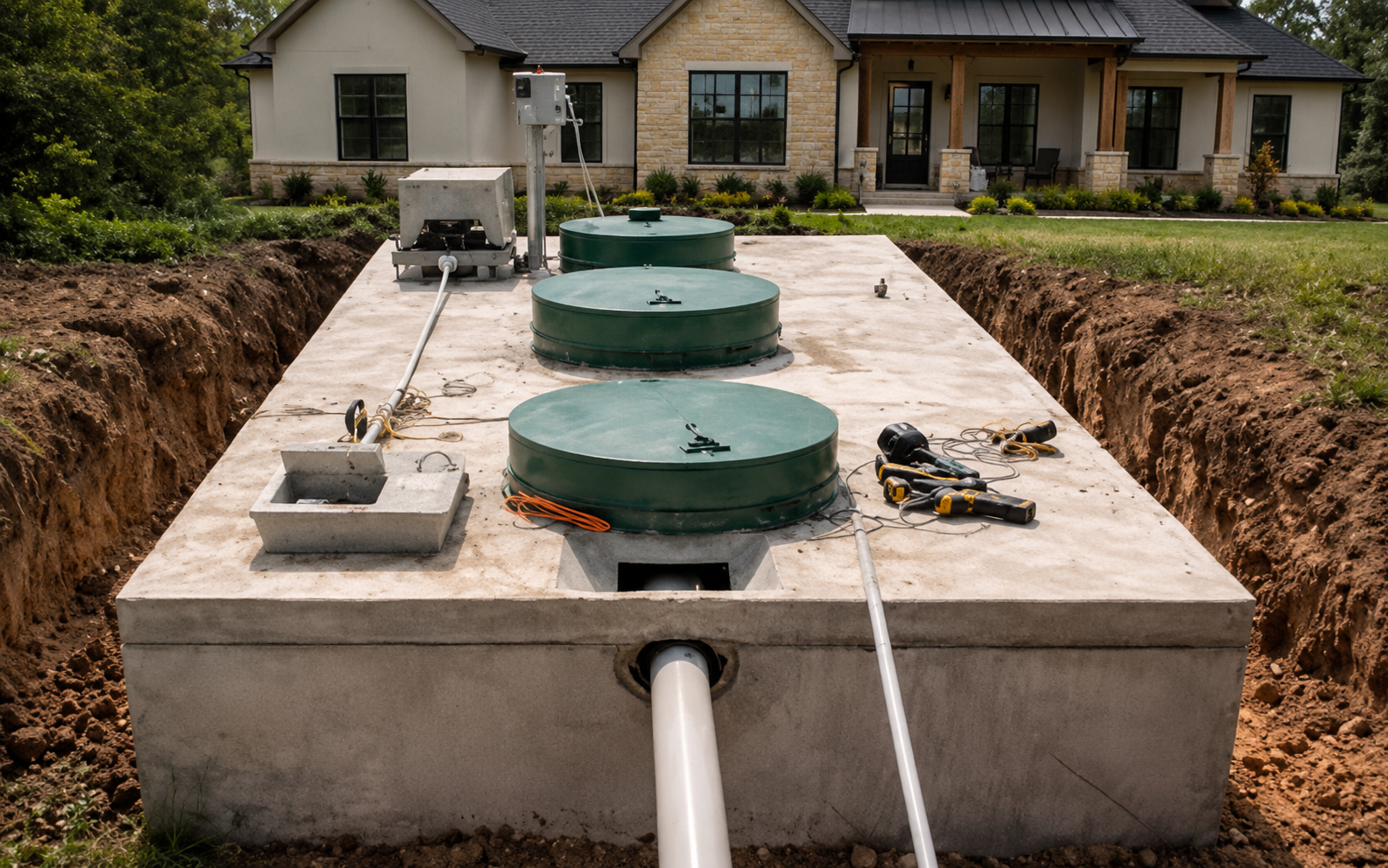
Septic installation follows a set sequence to meet health and building rules. It begins with a site assessment (including soil testing and locating the seasonal high water table), continues with a designer's plan, then permitting. After permits, contractors excavate, set the tank and drainfield, connect plumbing, and arrange a final inspection to confirm compliance.
Site selection and design considerations
Soil color and morphology are commonly used to estimate the seasonal high water table and assess suitability for on-site wastewater systems. Rules for interpreting soil characteristics and designing systems around low-chroma (gray) soils are outlined in regional regulations and guidance, and they directly influence system choice and layout.
Associated costs
Key cost drivers are site conditions, system type, labor, permitting, and excavation. Comparing multiple detailed bids gives the clearest picture of your likely expense.
- Site conditions: Soils, slope, and groundwater depth affect design and excavation.
- System type: Conventional gravity systems are generally cheaper than alternatives or advanced treatment units.
- Labor: Local rates and install complexity affect hours and cost.
- Permitting: Local fees and inspection costs are part of the budget.
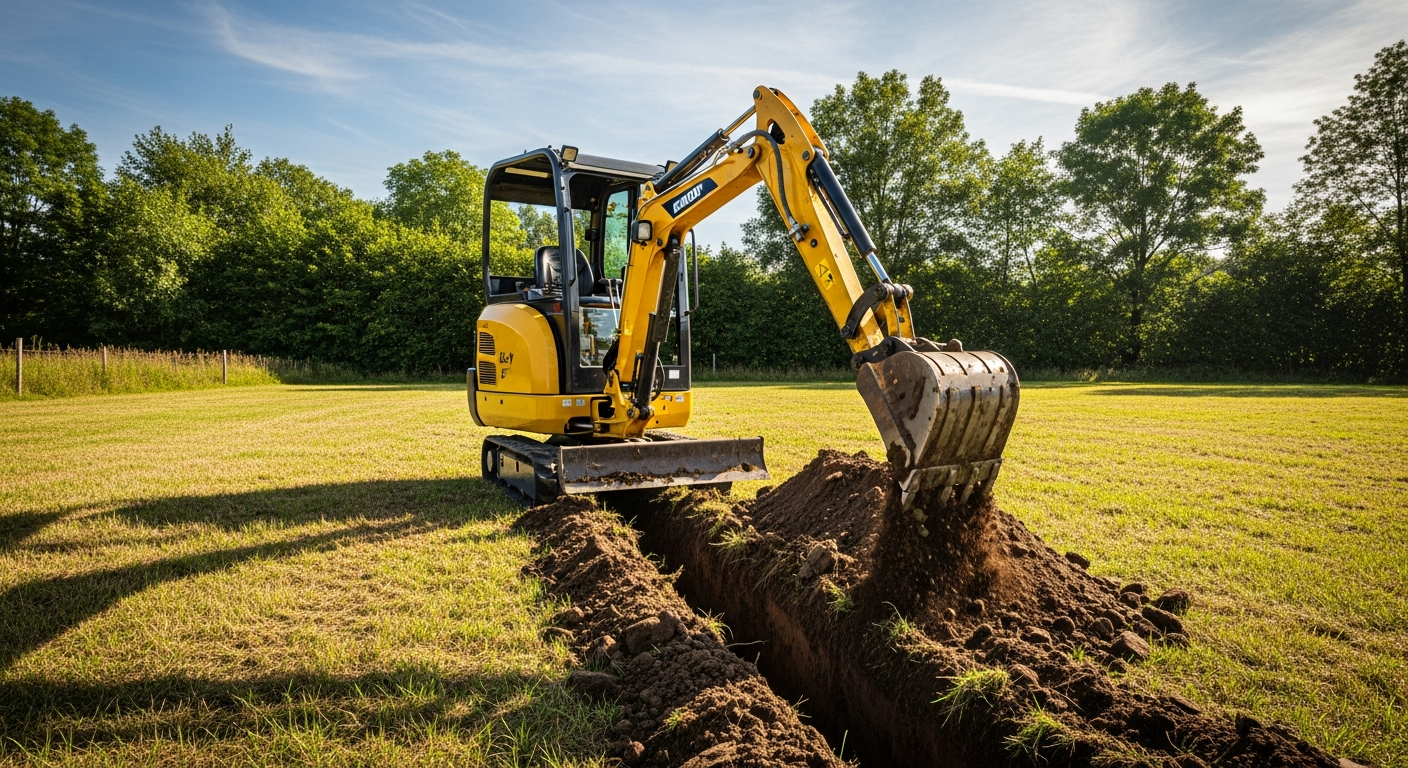
- Excavation: Deeper or larger drainfields raise material and equipment costs.
| Cost Factor | What it covers | Estimated Cost |
|---|---|---|
| Site Conditions | Variability based on land type | $1,000 - $3,000 |
| Type of System | Conventional vs. alternative | $3,000 - $12,000 |
| Labor Expenses | Local labor rates | $50 - $150 per hour |
| Permitting Fees | Local government fees | $200 - $1,000 |
| Excavation Needs | Depth and area to be excavated | $500 - $2,500 |
Installation, maintenance, and life-cycle cost summaries
Surveys summarize average installation costs for components of each system type and report expected maintenance expenses. Life-cycle cost analyses combine installation and routine care to compare long-term costs across systems.
Planning a septic installation in Liberty Hill? Liberty Septic & Excavating helps homeowners navigate site assessments, permitting, and installation with confidence. Visit our website to learn more and get a clear, itemized estimate for your project.
Ongoing maintenance requirements
Regular maintenance extends system life. Recommended practices include:
- Regular pumping: Pump tanks typically every 3–5 years to remove solids.
- Inspections: Annual checks catch minor issues before they become major.
- Avoid harmful inputs: Do not flush wipes, grease, or pour harsh chemicals into drains.
Local companies in Liberty Hill provide installation, pump-outs, inspections, and repairs to keep systems in good condition.
What are the key steps in the Liberty Hill septic system installation process?
The core steps are:
- Site assessment: Confirm soil, slope, and suitable drainfield area.
- Design: Size the tank and layout the drainfield per site data.
- Permitting: Obtain approvals from local health and permitting offices.
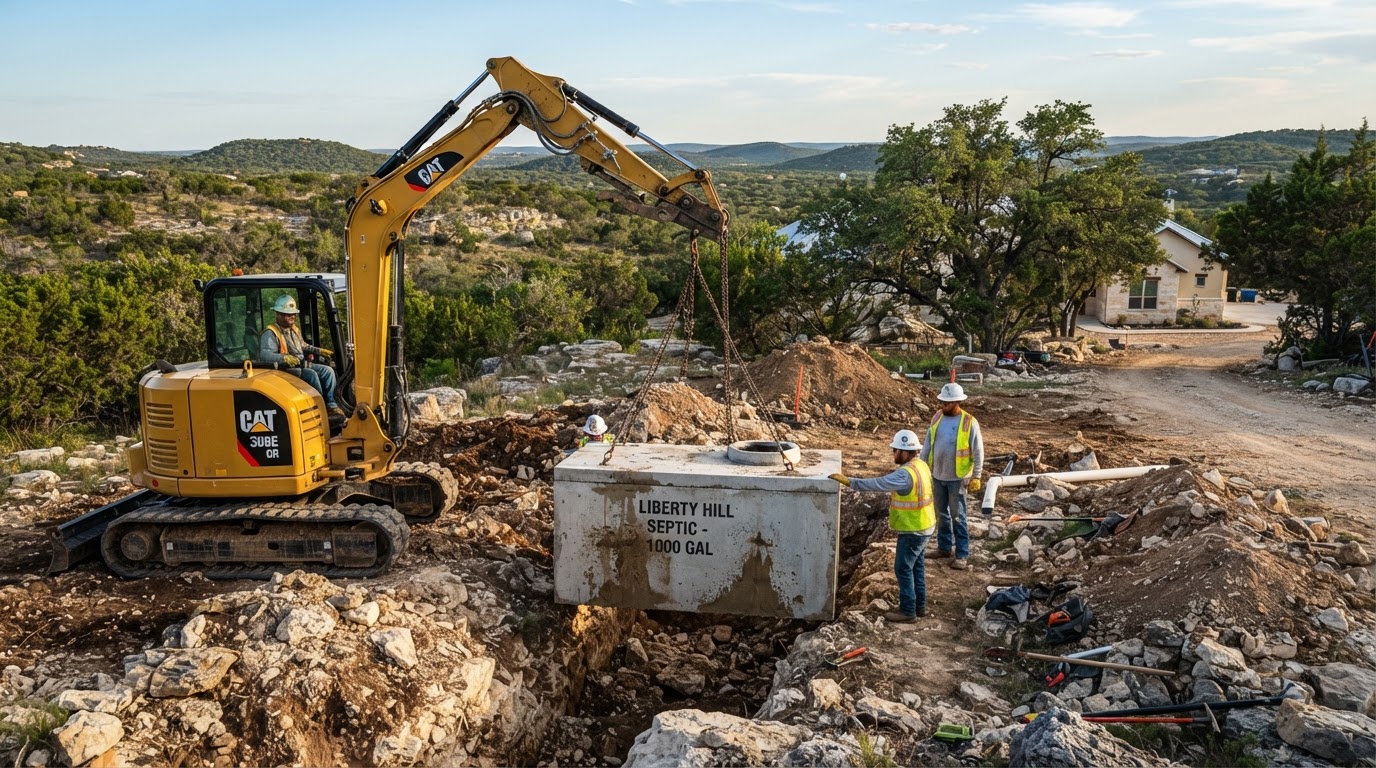
- Installation: Excavate, place the tank and drain components, and make plumbing connections.
- Inspection: Final inspection confirms compliance with codes.
How much does residential septic installation cost in Liberty Hill?
Typical residential installs range from roughly $6,000 to $18,000. Final cost depends on system type, site work, and contractor scope. Collect multiple bids that itemize labor, materials, permits, and any disposal or restoration work.
What factors influence septic installation costs in Liberty Hill?
Principal factors: soil and site complexity, system choice, labor rates, permit fees, and excavation requirements. Difficult soils or limited space often require alternative systems and increase cost.
What is the typical timeline for septic installation projects?
Most residential installs take about 1–3 weeks from excavation to final inspection. Delays occur if permits take longer, weather interferes, or additional site preparation is needed.
What are essential septic system maintenance tips after installation?
After installation:
- Schedule pumping: Follow a 3–5 year pumping interval based on tank size and household use.
- Inspect annually: Check for leaks, scum levels, and drainfield performance.
- Use properly: Only flush wastewater and toilet paper; avoid chemicals and non-biodegradable items.
How to maintain a newly installed septic system in Liberty Hill?
To maintain a new system, set a pumping schedule, spread high-water-use activities (laundry/dishwasher) to avoid overloads, and ensure household members know what to dispose of properly.
What are common troubleshooting steps for septic systems?
Common actions:
- Identify symptoms: Slow drains, gurgling, odors, or soggy areas over the drainfield.
- Act early: Reduce water use and contact a licensed septic professional for inspection and repair to avoid costly replacements.
What local regulations and environmental considerations affect septic installation in Liberty Hill?
Local rules specify setbacks, permitted system types, and siting requirements to protect groundwater and surface waters. Compliance is mandatory and reduces contamination risk.
How do Texas environmental regulations impact septic system design?
Texas standards require site assessments, designs that protect groundwater, and approved construction practices. These regulations influence sizing, placement, and when advanced treatment is required.
What eco-friendly septic solutions are available in Liberty Hill?
Alternative options include aerobic treatment units, advanced treatment modules, and engineered wetlands where allowed. These systems can reduce nutrient discharge and improve effluent quality compared with basic systems, though they often require higher initial cost and maintenance.
Frequently asked questions
What are the signs that my septic system needs maintenance?
Look for slow drains, gurgling pipes, foul odors, or pooling over the drainfield. Any of these signs merits a professional inspection to prevent larger failures.
How can I choose the right septic system for my property?
Begin with a site assessment (soil test and layout review). A licensed designer or installer will recommend conventional or alternative systems based on absorption capacity, space, and local rules. Compare lifecycle costs, not just installation price.
What should I do if my septic system fails?
Minimize water use immediately and contact a licensed septic professional. They will diagnose whether pumping, repairs, or replacement is needed and advise on next steps.
Are there any eco-friendly options for septic systems?
Yes. Advanced treatment units and constructed wetlands can improve effluent quality and reduce environmental impact where site conditions and regulations permit.
How often should I have my septic system inspected?
Have the system inspected at least once a year; combine inspections with pumping every 3–5 years to catch problems early.
What are the environmental impacts of septic systems?
Poorly maintained systems can release pathogens and excess nutrients to groundwater and surface water. Proper design, regular maintenance, and adherence to regulations reduce these risks.
Can I install a septic system myself?
DIY installation is not recommended due to design complexity and regulatory requirements. Hire a licensed professional to ensure proper design, permitting, and reliable performance.
Conclusion
Understanding installation steps, key costs, and maintenance needs helps Liberty Hill homeowners protect property and local water resources. Regular upkeep, sensible use, and working with experienced local professionals will extend system life and reduce environmental and health risks. For project planning or service, seek licensed contractors who provide clear, itemized estimates and supporting documentation for permits and inspections.
Ready to Install Your Septic System?
A properly installed septic system starts with the right team. Liberty Septic & Excavating brings local experience with Liberty Hill soils, setbacks, and permitting requirements, helping homeowners move from site assessment to final inspection with confidence.
Visit our contact page to learn more and schedule a site evaluation for your project.