How Property Size Influences Septic System Installation Cost: Key Factors and Insights
Understanding how property size affects septic system installation costs is crucial for homeowners and builders alike. The size of a property directly influences the design, materials, and labor required for a septic system, which can lead to significant variations in overall costs. This article will explore the fundamental components of septic systems, how lot size impacts design and costs, and the key factors that contribute to installation expenses. Additionally, we will discuss Texas-specific regulations and maintenance considerations that can further affect costs. By the end of this article, readers will gain valuable insights into the relationship between property size and septic system installation costs.
What Are the Basic Components of a Septic System?
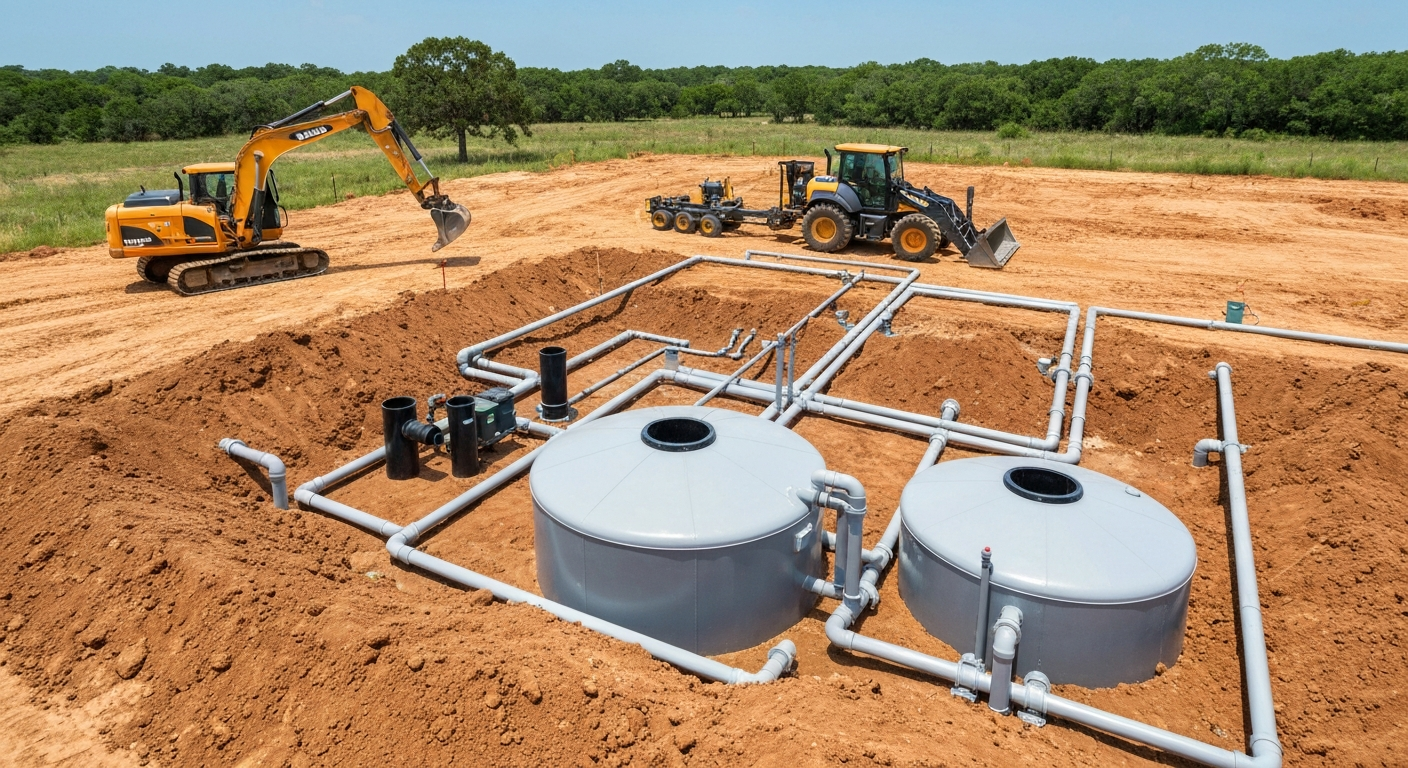
A septic system is a vital component of wastewater management for properties not connected to a municipal sewer system. It typically consists of a septic tank and a drain field, which work together to treat and dispose of wastewater. The septic tank holds the wastewater, allowing solids to settle at the bottom while the liquid effluent flows into the drain field for further treatment. Understanding these components is essential for evaluating installation costs, as the size and complexity of the system can vary significantly based on property size and usage.
How Do Septic Tanks and Drain Fields Function Together?
Septic tanks and drain fields function in a symbiotic relationship to treat wastewater effectively. The septic tank serves as the first stage of treatment, where solids settle and anaerobic bacteria break down organic matter. The liquid effluent then flows into the drain field, where it is further filtered through soil layers, allowing for natural purification before it reaches the groundwater. This process is crucial for maintaining environmental health and ensuring that wastewater is treated adequately.
What Role Does Septic System Size Play in Installation Cost?
The size of the septic system plays a significant role in determining installation costs. Larger systems require more materials, such as bigger tanks and extensive drain fields, which can increase both material and labor costs. Additionally, larger systems may necessitate more complex designs to accommodate the increased volume of wastewater, further driving up expenses. Homeowners should consider their property's size and expected wastewater generation when planning for septic system installation.
How Does Lot Size Affect Septic System Design and Cost?
Lot size is a critical factor in septic system design and installation costs. Larger lots typically require larger septic systems to handle the increased volume of wastewater generated by more extensive households or commercial properties. Furthermore, the soil type and permeability can vary across different lot sizes, affecting the complexity of the system design and the overall cost.
Research further emphasizes the economic implications of property size and soil conditions on septic system installation.
Economic Cost of Septic Systems & Lot Size
The results from this study can help the property owners in making better private decisions regarding installation of septic systems, especially when considering the economic cost of siting septic systems on incompatible soils. The analysis included specific information on each property such as size of the lot, age of the property.
What Is the Relationship Between Property Size and Septic Tank Sizing?
The relationship between property size and septic tank sizing is straightforward: larger properties often necessitate larger tanks. This is due to the increased wastewater generation from larger households or commercial operations. Regulatory requirements also dictate minimum tank sizes based on the number of bedrooms or expected occupancy, which can further influence costs. For instance, a property with four bedrooms may require a tank size of approximately 1,500 gallons, while a two-bedroom home might only need a 1,000-gallon tank.
How Do Drain Field Requirements Change With Land Size?
Drain field requirements also change with land size, as larger properties typically need more extensive drain fields to accommodate the increased volume of effluent. The size and layout of the drain field are influenced by soil permeability, which affects how quickly wastewater can be absorbed and treated. Properties with sandy soil may require smaller drain fields compared to those with clay soil, which absorbs water more slowly. This variability can lead to significant differences in installation costs based on land size and soil type.
Studies have highlighted the particular challenges and considerations for septic systems on smaller properties with specific soil conditions.
Septic Systems on Small Parcels & Challenging Soils
Within the 50+ square mile watershed, a total of 14,000 parcels were utilizing septic systems, typically older systems situated on small parcels with sandy soils and a high groundwater table. These systems discharge wastewater volumes of approximately 3 million gallons per day (gpd) to the subsurface environment.
What Are the Key Cost Factors Influenced by Property Size?
Several key cost factors are influenced by property size when it comes to septic system installation. These include system size and complexity, excavation requirements, and soil type considerations. Understanding these factors can help homeowners make informed decisions about their septic system needs and budget accordingly.
How Does Land Size Impact Material and Labor Costs?
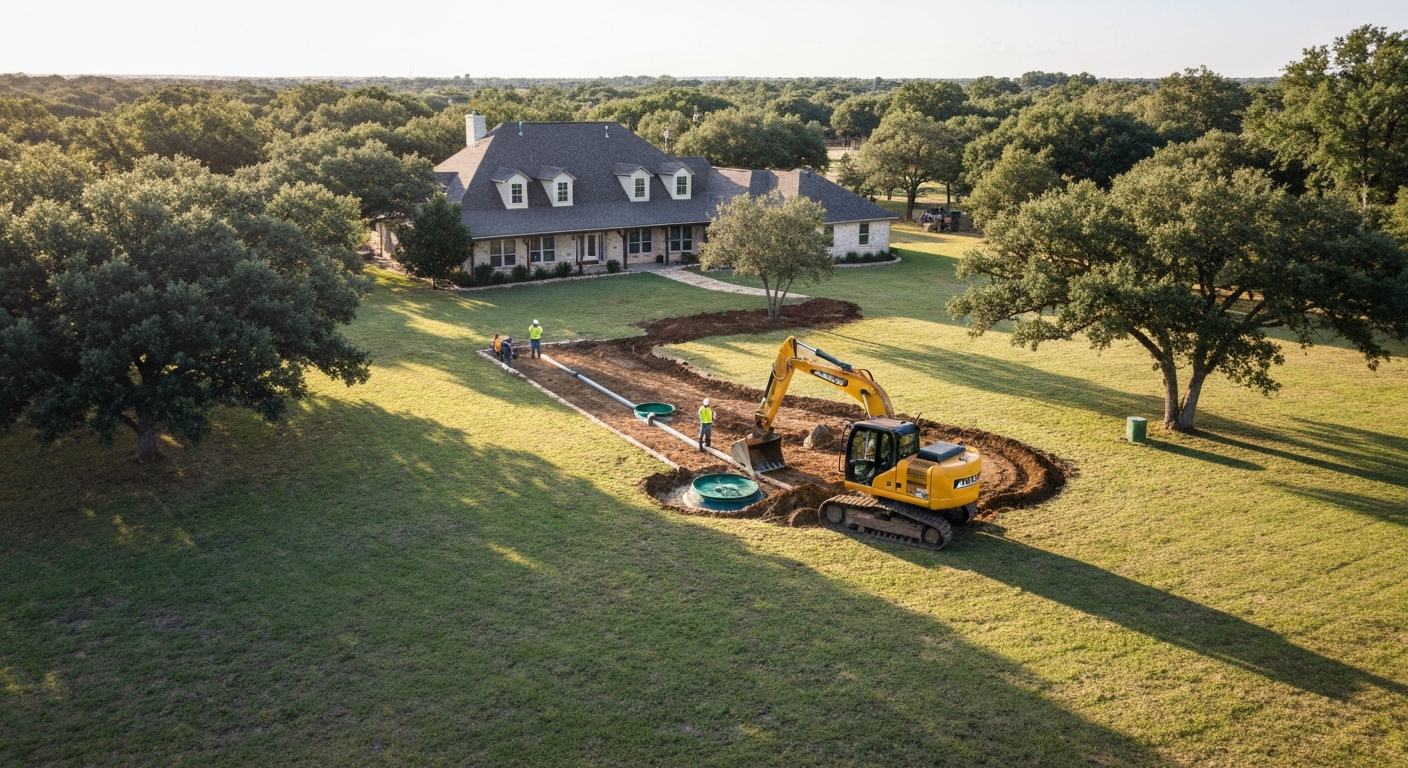
Land size directly impacts both material and labor costs associated with septic system installation. Larger systems require more materials, such as larger tanks and additional piping, which can increase overall expenses. Additionally, the complexity of the installation may necessitate more labor hours, further driving up costs. For example, a larger property may require specialized equipment for excavation, which can add to labor costs.
What Is the Average Septic System Price Per Acre in Texas?
In Texas, the average septic system price per acre can vary significantly based on several factors, including location, soil type, and system design. On average, homeowners can expect to pay between $3,000 to $12,000 for septic system installation for properties of different sizes and requirements. This price range reflects the variability in installation costs based on property size and local regulations.
Which Texas-Specific Regulations and Permits Affect Septic Installation Costs?
Texas has specific regulations and permits that can affect septic installation costs. Homeowners must comply with local health department regulations, which may require site evaluations and permits before installation can begin. Understanding these regulations is essential for budgeting and planning the installation process.
What Permits Are Required for Septic Systems Based on Property Size?
The permits required for septic systems in Texas can vary based on property size and usage. Homeowners typically need to obtain a permit from their local health department, which may involve an initial consultation and site evaluation. Larger properties may require additional permits or inspections, which can add to the overall cost of installation.
How Do Texas Regulations Influence Installation Timelines and Costs?
Texas regulations can significantly influence installation timelines and costs. The permitting process can take several weeks, depending on the local health department's workload and the complexity of the site evaluation. Delays in obtaining permits can push back installation timelines, leading to increased costs for homeowners. Additionally, compliance with regulations may necessitate more extensive system designs, further impacting overall expenses.
What Are the Maintenance and Long-Term Cost Considerations Related to Property Size?
Maintenance and long-term costs are important considerations for homeowners when evaluating septic systems. The size of the property can influence the frequency and type of maintenance required, as well as the overall lifespan of the system.
How Does Property Size Affect Septic System Lifespan and Upkeep?
Property size can affect the lifespan and upkeep of a septic system. Larger systems may require more frequent maintenance due to the increased volume of wastewater generated. Additionally, the type of soil and environmental conditions can impact the system's longevity. Regular maintenance, such as pumping the septic tank and inspecting the drain field, is essential for ensuring the system operates efficiently and lasts as long as possible.
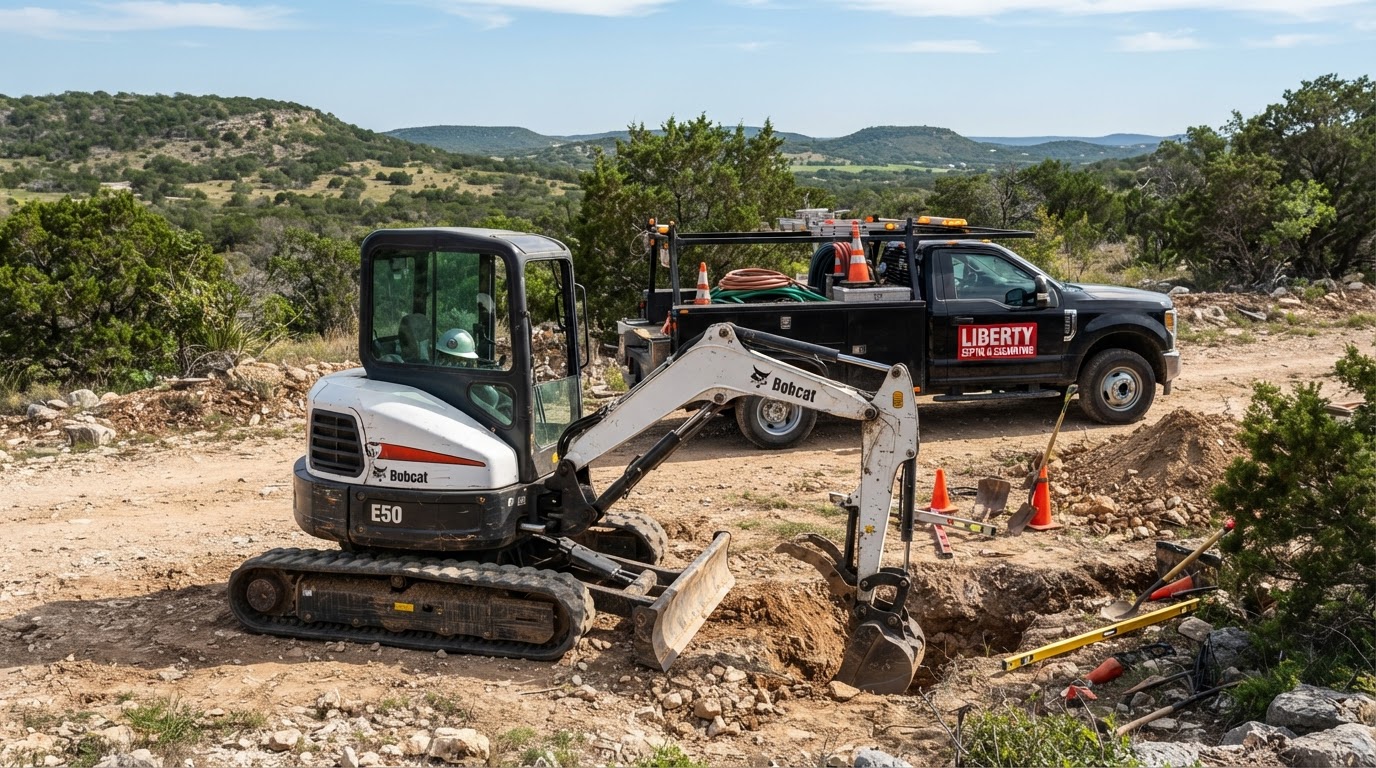
To ensure your septic system is functioning correctly, it's important to find the right service area. Liberty Septic and Excavating offers comprehensive services to meet your needs.
What Are Typical Maintenance Costs for Different Lot Sizes?
Typical maintenance costs for septic systems can vary based on lot size and system complexity. Homeowners can expect to pay between $250 to $600 for routine maintenance, such as tank pumping and inspections. Larger properties with more extensive systems may incur higher maintenance costs due to the increased frequency of service and potential repairs.
How Can Case Studies and Customer Testimonials Illustrate Property Size Impact on Costs?
Case studies and customer testimonials can provide valuable insights into how property size impacts septic system installation costs. Real-life examples can illustrate the variations in costs based on different property sizes and conditions.
What Examples Show Cost Variations by Lot Size?
For instance, a homeowner with a small lot of 0.5 acres may have spent approximately $4,500 on a standard septic system, while another homeowner with a 2-acre property may have incurred costs of $10,000 or more due to the need for a larger system and additional permits. These examples highlight the importance of considering property size when budgeting for septic system installation.
Beyond the direct installation expenses, the presence and condition of a septic system, influenced by lot size, can also have a notable effect on a property's overall market value.
Lot Size & Septic System Impact on Property Value
Information on each property such as size of the lot, age of the property, and age of the septic system was considered. Studies cited a negative impact on the price, which is an interesting observation.
How Do Customers Describe Their Experience With Septic Installation Costs?
Customers often express a range of experiences regarding septic installation costs. Many emphasize the importance of obtaining multiple quotes and understanding the factors that influence pricing. Testimonials frequently highlight the value of working with knowledgeable contractors who can provide guidance on system design and compliance with local regulations.
Need Help with Your Septic System?
If you're curious to learn more about Liberty Septic and Excavating, visit our About page.
For any questions or to schedule a consultation, you can contact us today.