Septic System Installation Cost in Texas: Are There Any Hidden Fees You Should Know?

By Ricky Maynard, Liberty Septic & Excavating
Installing a septic system in Texas can be a significant investment for homeowners, often accompanied by various costs that may not be immediately apparent. Understanding these potential hidden fees is crucial for budgeting effectively and avoiding unexpected financial burdens. This article will explore the common hidden fees associated with septic system installation in Texas, including permit and inspection fees, as well as additional labor costs. We will also discuss how the permit process influences these expenses and provide insights on how to avoid unexpected costs. By the end of this guide, you will have a comprehensive understanding of the financial aspects of septic system installation in Texas.
What Are the Common Hidden Fees in Texas Septic System Installation?
When planning for septic system installation, homeowners should be aware of several hidden fees that can significantly impact the overall cost. These fees often include permit fees, inspection fees, and excavation costs, which can vary based on local regulations and site conditions. Understanding these costs can help homeowners prepare financially and avoid surprises during the installation process.
| Fee Type | Cost Range | Description |
|---|---|---|
| Permit Fees | $150 - $500 | Fees required for obtaining necessary permits. |
| Inspection Fees | $100 - $250 | Costs associated with inspections during installation. |
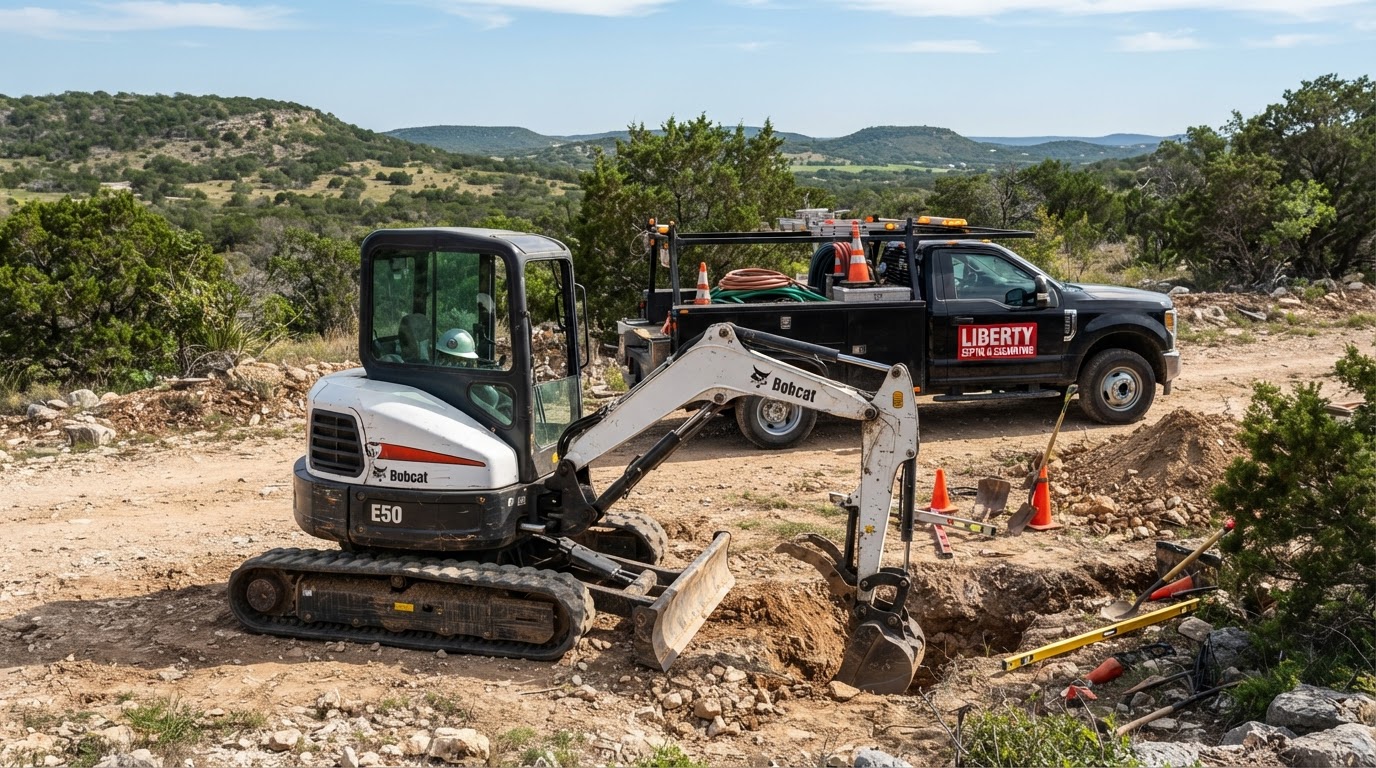
| Excavation Costs | Variable | Additional costs based on site conditions and complexity. |
These fees can add up quickly, making it essential for homeowners to factor them into their budget.
Which Permit Fees Affect Septic Installation Costs in Texas?
Permit fees are a critical component of the overall cost of septic system installation in Texas. Homeowners typically face application fees that range from $150 to $500, depending on the county and specific requirements. Additionally, some counties may require extra testing, such as soil or water tests, which can incur additional costs. Understanding the specific permit requirements in your area is vital to avoid unexpected expenses.
How Do Inspection and Additional Labor Fees Impact Total Expenses?
Inspection fees can also contribute significantly to the total expenses of septic system installation. These fees generally range from $100 to $250 and vary based on the complexity of the system being installed. Furthermore, labor costs can fluctuate depending on the installation's complexity and the contractor's rates. Regular inspections are recommended at least once a year to ensure the system operates efficiently, which can add to long-term costs.
How Does the Texas Septic System Permit Process Influence Installation Fees?
The permit process in Texas can directly influence installation fees. Homeowners must navigate several steps to obtain the necessary permits, which can include submitting detailed plans and undergoing inspections. Permit application fees typically range from $150 to $500, and additional costs may arise from required inspections. Compliance with local regulations is crucial to avoid fines and ensure a smooth installation process.
What Are the Typical Costs and Requirements for Texas Septic Permits?
When applying for septic permits in Texas, homeowners should be prepared to pay application fees ranging from $150 to $500. Necessary documentation often includes site plans and soil test results, which must be submitted for approval. The permit approval process can take several weeks, so planning ahead is essential to avoid delays in installation.
Beyond standard application fees, the history of Texas septic system regulations reveals specific research fees that once contributed to the overall permitting costs.
Texas Septic System Research Fees & Permitting Costs
In late 1980s and early 1990s Texas State legislators debated and passed a law that required the state regulatory agency to award competitive grants and support applied research and demonstration projects regarding on-site wastewater treatment technology and systems for improving the quality of wastewater treatment and reducing the cost of providing wastewater treatment to consumers. The law was famously called the $10 research fee law which allowed the environmental agency to fund research and demonstration projects for two decades, from 1992 to 2012. But the state continued to collect the $10 fee from the local permitting entity and used the funds to support other activities unrelated to onsite wastewater.
How Do County Jurisdictions Affect Permit Fee Variations?
Permit fees can vary significantly based on county jurisdiction in Texas. Each county has its own regulations and fee structures, which can lead to differences in the costs associated with septic system installation. Homeowners should familiarize themselves with local regulations to understand the specific fees they may encounter during the permit application process.
What Inspection and Maintenance Fees Should Texas Homeowners Expect?
Homeowners in Texas should anticipate inspection and maintenance fees as part of their septic system ownership. Annual inspections typically range from $100 to $250, and septic tanks generally need to be pumped every 3 to 5 years, which can incur additional costs. Minor repairs can also range from $150 to $1,000, depending on the nature of the issue. Understanding these costs can help homeowners budget effectively for long-term maintenance.
How Often Are Septic System Inspections Required in Texas?
In Texas, homeowners are required to conduct septic system inspections at least once a year. Regular inspections are crucial for identifying potential issues early and ensuring the system operates efficiently. Additionally, septic tanks should be pumped every 3 to 5 years to prevent backups and costly repairs. Keeping accurate records of inspections and maintenance is essential for effective system management.
What Are the Average Maintenance Costs and Their Impact on Long-Term Expenses?
Regular maintenance of septic systems can prevent costly repairs and extend the system's lifespan. Homeowners should budget approximately 1-2% of their home's value annually for septic system upkeep. Neglecting maintenance can lead to major failures, resulting in significant expenses. Understanding the average maintenance costs can help homeowners plan for the long term and avoid unexpected financial burdens.
How Can You Avoid Unexpected Septic System Installation Costs in Texas?
To avoid unexpected costs during septic system installation, homeowners should take proactive steps to ensure transparency in pricing and understand the full scope of the project. By being informed and prepared, homeowners can minimize the risk of hidden fees and ensure a smoother installation process.
What Steps Ensure Transparency in Septic Installation Pricing?
Homeowners can ensure transparency in septic installation pricing by taking several key steps:
- Request Detailed Estimates: Obtain comprehensive estimates from multiple contractors to compare costs and services.
- Provide Accurate Information: Share detailed information about property conditions to help contractors provide accurate quotes.
- Clarify Payment Terms: Ensure that payment terms are clear and that there are no hidden charges before signing contracts.
These steps can help homeowners avoid surprises and ensure they are fully informed about the costs associated with their septic system installation.
How Does Choosing a Local Expert Like Liberty Septic Help Minimize Hidden Fees?
Choosing a local expert like Liberty Septic can significantly reduce the risk of hidden fees during septic system installation. Local experts provide transparent pricing and have a deep understanding of local regulations and site conditions. By hiring experienced contractors, homeowners can minimize the likelihood of costly mistakes and ensure a smoother installation process.
What Financing Options Are Available for Septic System Installation in Texas?
Homeowners in Texas have several financing options available to help manage the costs of septic system installation. Local assistance programs may offer financial help, and homeowners are encouraged to explore loans through local banks for home improvement. Consulting with septic service providers can also provide insights into available financing options.
Which Financing Plans Cover Permit, Inspection, and Installation Fees?
Many counties in Texas offer financial assistance programs that may cover permit fees associated with septic system installation. Homeowners should be aware that application fees for septic system permits typically range from $150 to $500. Exploring financing options through local banks or credit unions can also help manage installation costs effectively. Engaging with local septic service can provide additional insights into specific financing plans available in the area.
Conclusion
Understanding the full scope of septic system installation costs in Texas — from permit and inspection fees to excavation and maintenance expenses — helps homeowners budget effectively and avoid surprises. Request detailed estimates, work with licensed local experts, and plan ahead for permitting timelines. For transparent pricing and expert guidance tailored to your property, contact Liberty Septic and Excavating today.