Septic System Costs in Texas: Choosing Between Aerobic and Conventional Systems
By Ricky Maynard, Liberty Septic & Excavating
If you own a home in Texas, knowing how aerobic and conventional septic systems differ — and what they cost — makes choosing the right system a lot easier. Both handle household wastewater, but they use different processes, come with different upkeep needs, and vary in price. This article walks through those differences, highlights installation and maintenance costs, and explains how local regulations can affect your decision so you can pick the option that fits your property and budget.
How do aerobic and conventional septic systems differ?
Aerobic and conventional systems take different approaches to treating wastewater. Aerobic systems add oxygen to encourage bacteria that break down waste faster, which makes them a good option where soil or drainage is poor. Conventional systems work without added oxygen; solids settle in a tank and liquid drains into the soil. That older, simpler design usually needs more land with suitable soil to perform well. Knowing these differences helps you decide which system matches your lot and long‑term needs.
How an aerobic septic system operates in Texas
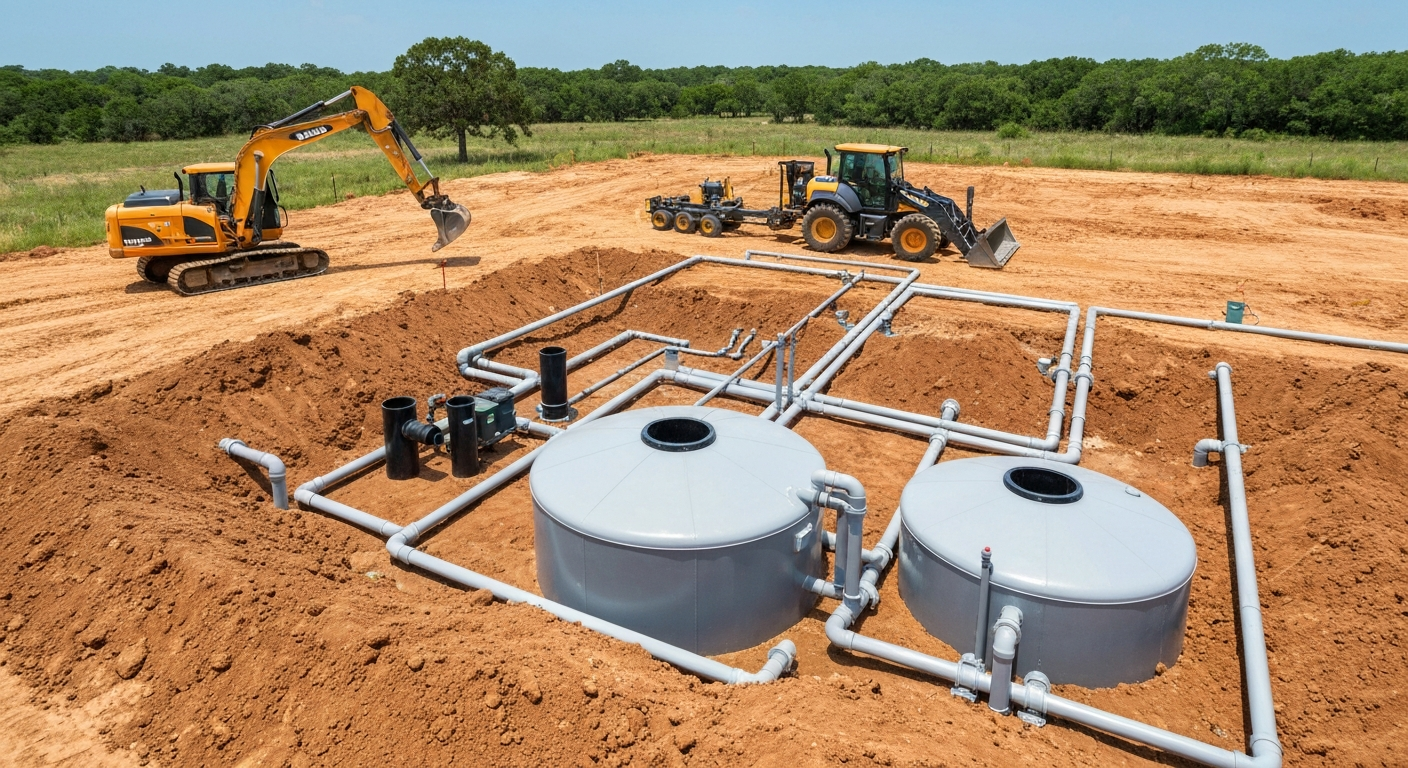
An aerobic system forces air into an aeration chamber to support oxygen-loving bacteria that digest organic material more thoroughly. After aeration, solids settle in a clarification chamber and the treated effluent is dispersed to a drain field or dispersal system. These systems need regular inspections and occasional pump-outs to stay reliable, but they can perform better than conventional systems on challenging sites.
What makes a conventional septic system work?
A conventional system relies on a septic tank plus a drain field. Solids settle inside the tank while liquids flow to the drain field where soil microbes complete treatment. It’s a passive, proven design but depends on appropriate soil and adequate space. Routine inspections and periodic pump-outs are important to avoid backups or failures.
How do installation costs compare for aerobic and conventional systems in Texas?
Installation costs vary widely based on system complexity, soil and site conditions, and property size. Aerobic systems usually have higher upfront costs because they include pumps, aeration equipment, and controls. Conventional systems are generally simpler and less expensive to install.
What factors drive septic system installation costs in Texas?
Key cost drivers include:
- System type: Aerobic setups cost more up front due to additional components and technology.
- Soil conditions: Poor or compacted soils, shallow bedrock, or a high water table can require special work or a different system, raising costs.
- Property size and layout: Smaller or unusually shaped lots may need customized solutions that affect the final price.
Typical price ranges for aerobic vs. conventional systems
The following ranges reflect common installation costs across Texas but can vary by site and local rules:
| System Type | Installation Cost Range |
|---|---|
| Aerobic Septic System | $10,000 - $30,000 |
| Conventional Septic System | $6,000 - $15,000 |
Because local soil, access, and permitting affect the final number, we recommend getting written estimates from licensed installers before deciding.
Maintenance costs and requirements: what to expect
Maintenance influences a system’s lifespan and performance. Aerobic systems generally need more frequent attention because of moving parts and aeration equipment, while conventional systems are lower‑maintenance but still need regular service.
How often should aerobic systems be maintained in Texas?
Aerobic systems typically need annual inspections, with pump-outs every 1–3 years depending on household size and usage. Annual service and occasional repairs mean homeowners can expect roughly $200–$500 per year in maintenance costs, though prices vary by service provider and system model.
Maintenance costs for conventional systems
Conventional systems usually require inspections every 3–5 years and pump-outs every 3–7 years. Individual service calls often cost between $150 and $300, making conventional systems less costly to maintain over time for many households.
Benefits and drawbacks of each system type in Texas
Both systems have strengths and tradeoffs that matter depending on your lot, budget, and local rules.
Why aerobic systems may be a better fit in parts of Texas
Aerobic systems offer clear advantages in certain Texas conditions:
- Works in poor soil: They perform well where high water tables, clay, or shallow soils make conventional systems impractical.
- Better treatment: Aerobic treatment typically reduces contaminants more effectively, lowering risk to groundwater.
- Regulatory fit: Some counties require aerobic units in sensitive areas, so they may be the only permitted option.
Limitations of conventional systems in Texas
Conventional systems can be a solid choice, but they have limits:
- Soil-dependent: They need suitable soil percolation to work properly, which isn’t available everywhere.
- Potential for failures: Inadequate maintenance or unsuitable sites can lead to system failures.
- Local restrictions: Certain jurisdictions restrict conventional systems in favor of advanced treatment options.
How Texas rules and permitting affect septic system costs
Permitting and inspections add to the cost and timeline for installing a septic system. Local health departments enforce rules that can influence your choice of system and the overall price.
Texas has regulated on-site sewage systems for decades, and state-level guidance shapes the options homeowners have today.
Texas Septic System Regulations: Conventional vs. Aerobic
Texas legislature passed a law (HB 1875) in 1987 to regulate on-site sewage facility (OSSF) systems. Examples of treatment options include septic tanks, aerobic treatment units, sand filters, and low-pressure dosing systems.
Selecting and permitting, 1987
Which regulations affect aerobic system costs?
- Permits: You must obtain permits before installation, which adds to upfront costs and paperwork.
- Inspections: More frequent inspections for aerobic systems can increase ongoing expenses.
- Compliance: Meeting local health-code requirements may mean upgrades or additional equipment.
Keeping up with changing environmental rules and enforcement can be a challenge for homeowners, and those changes sometimes increase long‑term costs.
Texas Septic System Costs & EPA Compliance Challenges
Regarding septic systems, local and state entities have very few resources to manage each septic system in Texas. This lack of resources makes it difficult for homeowners to upgrade their systems to comply with the new EPA standards, increasing the cost of maintaining a septic system.
Safeguarding Texas' Wastewater Infrastructure: Key Threats and Imperatives, 2024
How do permitting requirements for conventional systems differ?
Permitting for conventional systems is often simpler and less costly, but you still need to follow local rules:
- Permit applications: Required for installation, but usually less complex than for aerobic units.
- Inspections: Required, though typically less frequent.
- Cost impact: Overall permitting and compliance costs for conventional systems tend to be lower, which can make them more accessible for many homeowners.
Choosing based on cost, maintenance, and longevity
Picking the right system comes down to balancing initial cost, ongoing maintenance, site constraints, and expected service life.
Expected lifespan of aerobic vs. conventional systems in Texas
Typical lifespans are:
- Aerobic systems: Often last 15–30 years with proper upkeep.
- Conventional systems: Can last 20–30 years depending on soil conditions and maintenance.
How to evaluate cost versus benefit for your property
Consider these factors when comparing systems:
- Upfront cost vs. longevity: Weigh higher initial costs of aerobic systems against their performance on difficult sites.
- Ongoing maintenance: Factor in inspection frequency, parts, and service costs over time.
- Regulatory requirements: Local rules may make one system mandatory or more practical.
With these points in mind, you can choose a system that fits both your budget and your property’s needs.
State efforts to fund research and demonstration projects have aimed to make advanced onsite wastewater solutions more affordable and effective over time.
Texas Onsite Wastewater Research & Cost Reduction
In late 1980s and early 1990s Texas State legislators debated and passed a law that required the state regulatory agency to award competitive grants and support applied research and demonstration projects regarding on-site wastewater treatment technology and systems for improving the quality of wastewater treatment and reducing the cost of providing wastewater treatment to consumers.
Onsite Wastewater Research Funding-Texas Model, A Jantrania, 2020
→ For more information or to contact us, please visit our website.
→ When planning a septic system, it’s important to confirm the service areas we cover so you know what options are available near you.
→ To learn more about us and our approach to quality workmanship, explore our site.
Ready to Get Started?
Liberty Septic & Excavating serves Central Texas with TCEQ-licensed septic installation, repair, and excavation. Get your free estimate today.
Licensed · Insured · TCEQ-Compliant · Free Estimates · No Obligation