Septic System Installation: What Central Texas Homeowners Can Expect from Start to Finish
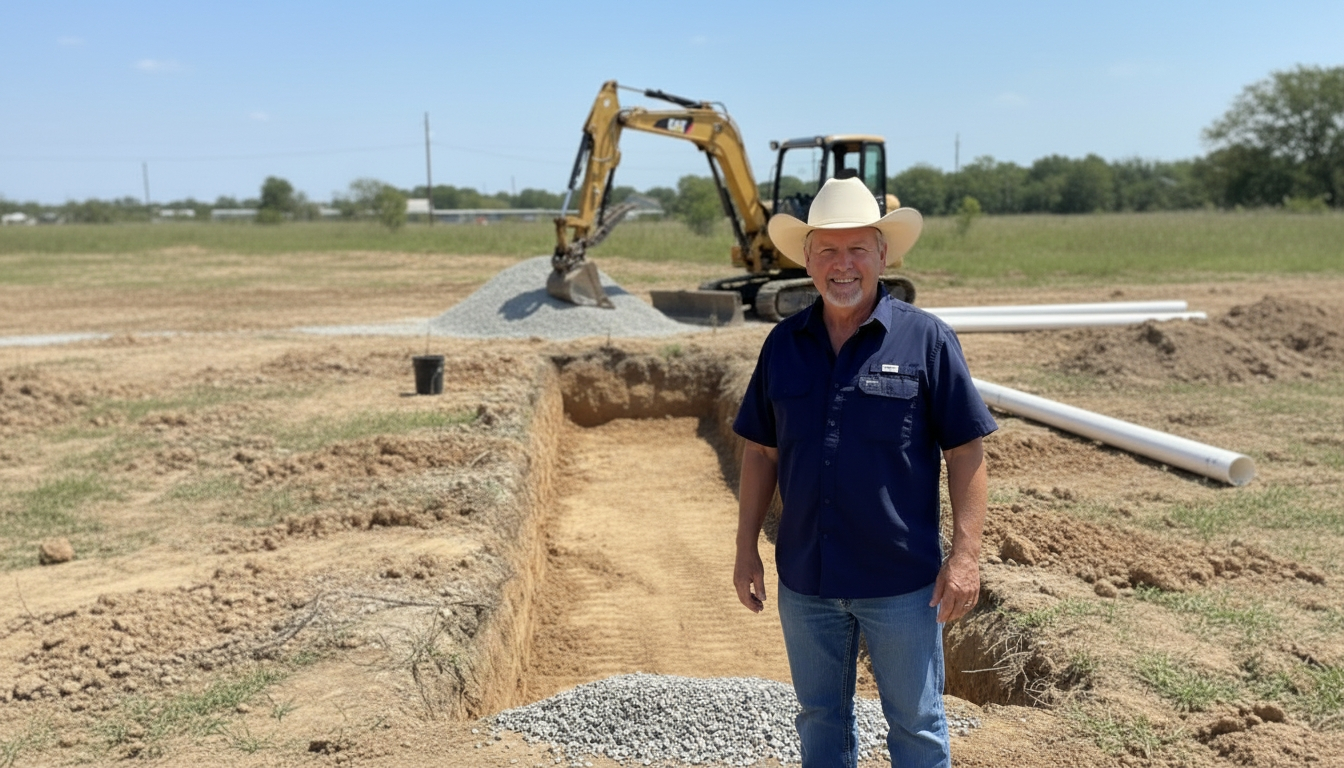
Installing a septic system is a major project for homeowners in Central Texas, and it often raises a lot of questions. This guide breaks the process down step by step so you know what to expect—from initial planning and permits through installation, inspection, and long-term care. You'll learn the key steps, which permits matter, how to maintain your system, and the common issues that can come up during installation. Armed with that knowledge, you can make clear decisions and help ensure a smooth, compliant installation.
Installation Process
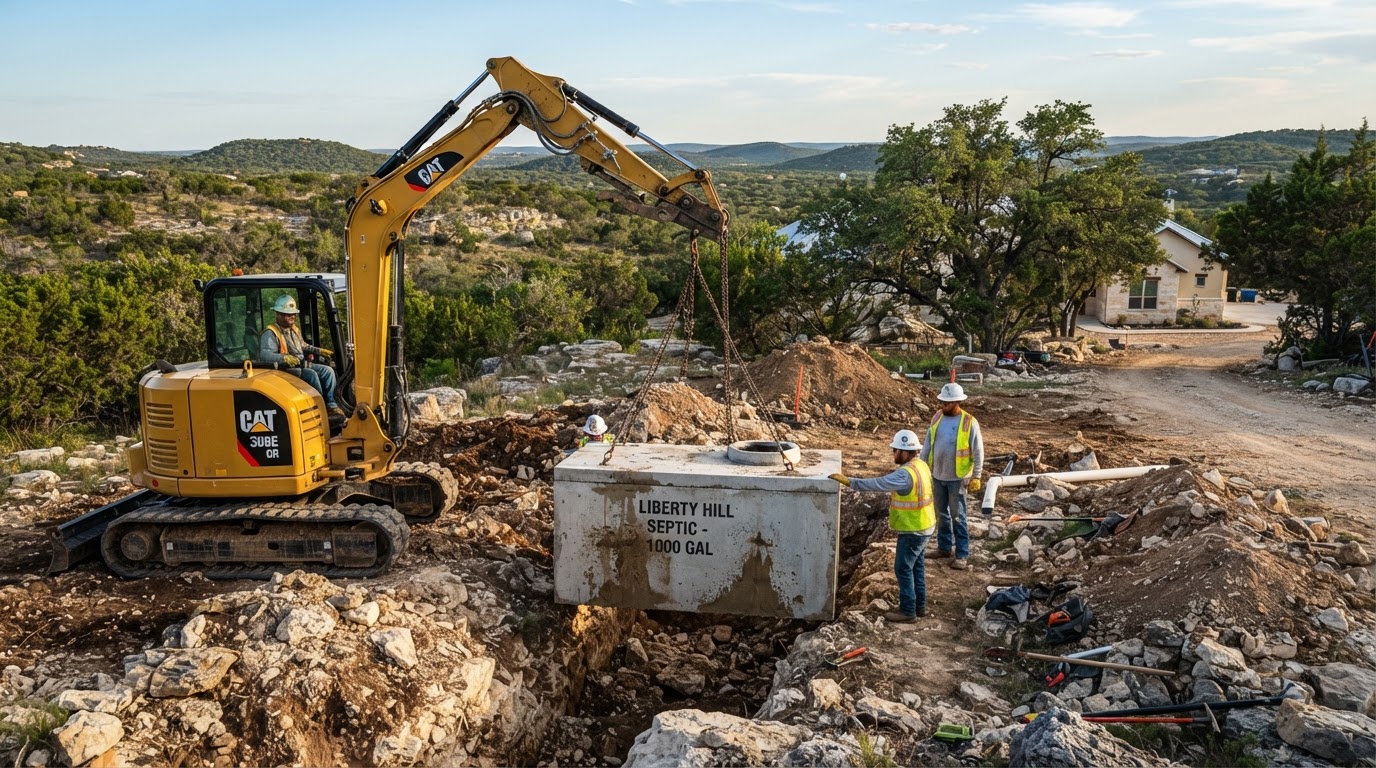
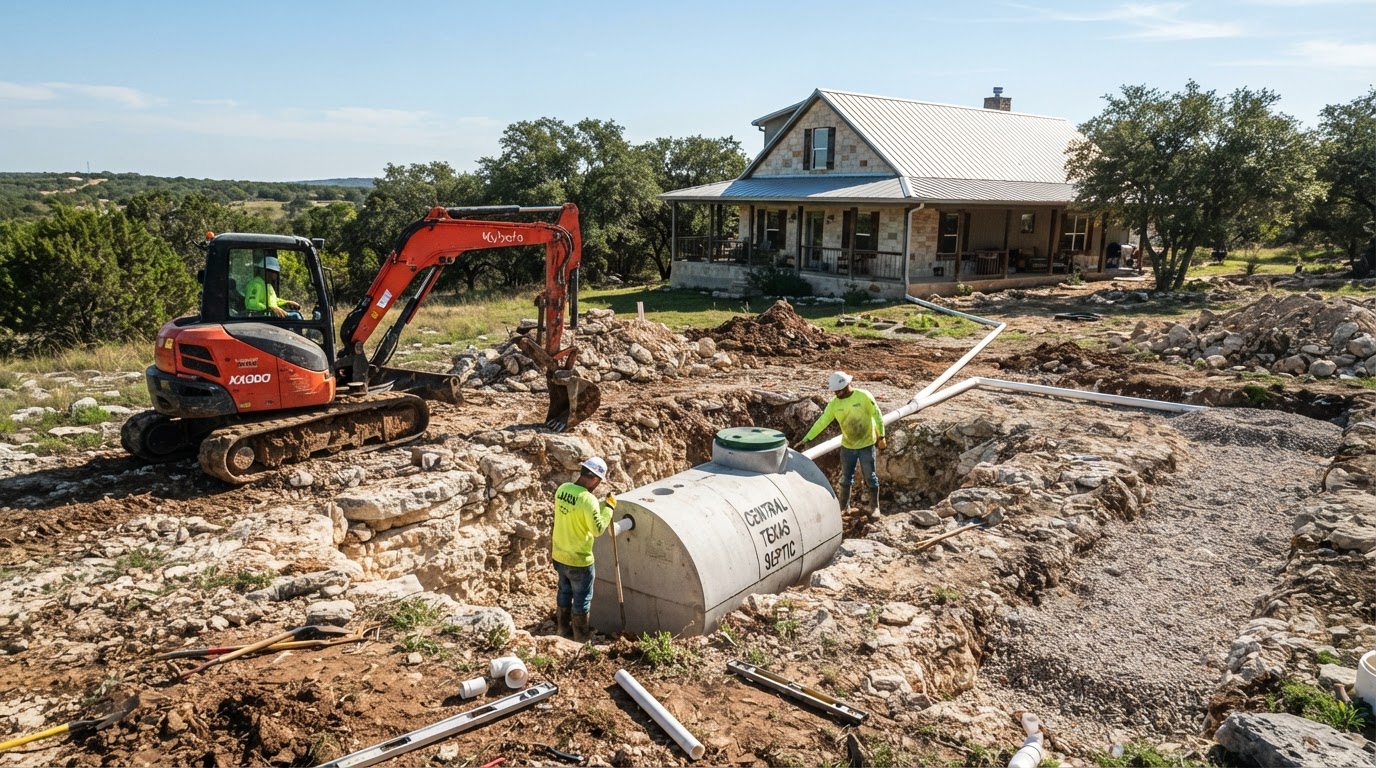
The installation process follows a predictable sequence designed to make the system work safely and meet local rules. Start by contacting a licensed professional for estimates and advice. Next comes a site evaluation and design phase, where soil, slope, and drain-field placement are mapped out. Once permits are approved, the crew completes excavation, places the tank, installs the drain field, and ties the system into the home. The job finishes with a final inspection and site clean-up to confirm everything was done to code.
After installation, you can count on Liberty Septic and Excavating for ongoing support and guidance to help your system run efficiently and stay compliant with local standards.
Necessary Permits and Regulations
Septic system installations in Central Texas must meet local and state rules overseen by agencies like the Texas Commission on Environmental Quality (TCEQ). Before work begins, homeowners typically need to submit plans, get permits, and schedule inspections to prove the system meets health and safety standards.
The state actively monitors septic system permitting to ensure compliance with wider federal requirements.
Texas Septic System Permits & Regulations
Texas tracks more than 3,100 active septic and sewer system permits to help ensure installations meet applicable Code of Federal Regulations standards across the state's communities.
Knowing the permitting process in advance saves time and prevents surprises. Work with your installer to prepare the paperwork and coordinate inspections so your project moves smoothly.
Maintenance Requirements
Routine care keeps a septic system reliable and extends its life. The most important tasks are scheduled pumping, periodic inspections, and sensible household habits that reduce strain on the system.
Most tanks need pumping every 3 to 5 years, depending on household size and water use. Regular inspections help catch problems early, before they become expensive repairs.
Be careful about what you flush or pour down drains — grease, harsh chemicals, and non-biodegradable items can damage the system. Following basic maintenance habits will help you avoid blockages and preserve system performance.
Learn more about our team and commitment to quality on our about page.
Liberty Septic and Excavating provides full maintenance services to keep your system working properly and meeting local requirements, giving you peace of mind.
Potential Challenges
Although the installation steps are straightforward, a few common challenges can affect cost, timing, and system performance. One of the biggest is soil condition: certain soils drain poorly or are shallow, which can force design changes or additional treatment components.
Research shows soil depth and quality directly affect whether a traditional leach field will properly treat wastewater, and poor soils can require alternate systems or extra preparation.
Septic System Site Selection & Soil Quality
Soil design and depth matter. For example, shallow soils in parts of Ohio cannot support traditional leach fields that need 3 to 4 feet of suitable soil for proper treatment. Installing those systems where soils are shallow or saturated can lead to incomplete treatment of organic and bacterial contaminants.
Changes in local regulations or unfamiliarity with county-specific rules can also slow a project. Finally, inaccurate site evaluations or underspecified designs may mean rework or added cost. Hiring an experienced installation team helps reduce those risks.
Good planning and a qualified contractor will address these challenges up front and keep the project on track.
What Is a Septic System and How Does It Work?
A septic system is a decentralized wastewater treatment solution used where public sewers aren't available. It treats household wastewater on-site using a combination of tank storage, biological breakdown, and soil filtration.
Components of a Septic System:
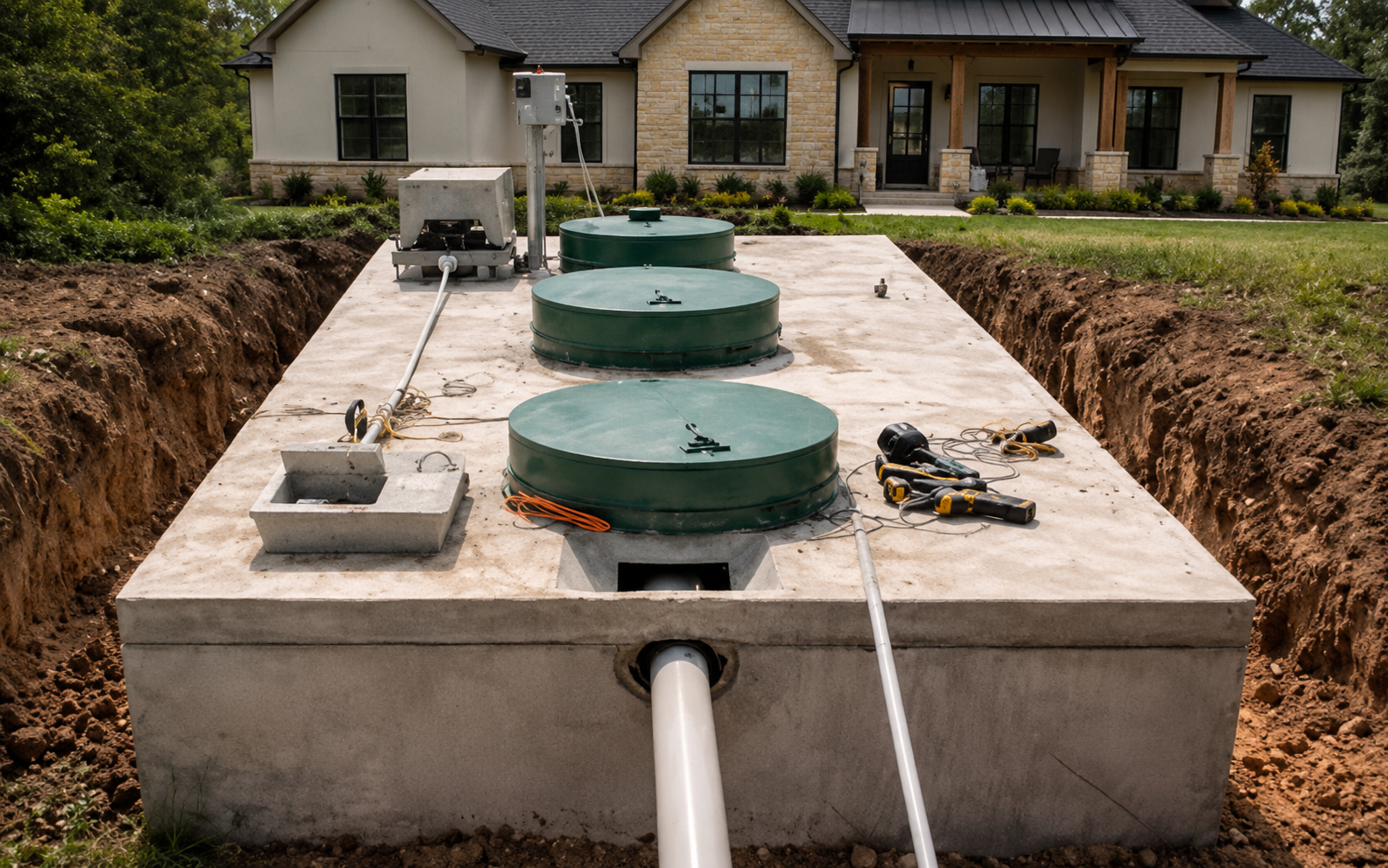
- Septic Tank: An underground tank that holds household wastewater long enough for solids to settle into sludge and lighter materials to form a scum layer.
- Drain Field: Also called a leach field, this network of perforated pipes buried in gravel or suitable soil spreads the liquid effluent for further treatment by the ground.
- Soil Filtration: The soil below the drain field filters and biologically treats the effluent before it reaches groundwater.
Functionality:
Wastewater leaves the house and enters the septic tank, where physical settling and bacterial action separate solids from liquids. The liquid effluent then moves to the drain field and percolates through the soil, which removes remaining contaminants before the treated water re-enters the groundwater.
What Are the Step-by-Step Processes in Septic System Installation?
Installing a septic system follows several key steps to ensure proper operation and regulatory compliance.
- 1Free Estimate: Start with a free estimate from a licensed septic installer to understand scope and cost.
- 2Site Evaluation: A thorough assessment of the property identifies the best location for the tank and drain field.
- 3Permitting and Design: Submit plans and obtain required permits; the design is tailored to site conditions.
- 4Installation: Excavation, tank placement, and drain-field installation are completed by the crew.
- 5Final Inspection: A county or state inspection verifies the installation meets all applicable standards.
Site Evaluation and Soil Testing Procedures
During site evaluation, professionals check slope, setbacks from water sources, and underlying soils. Soil tests measure percolation and absorption rates to confirm suitability and influence the system design. This step identifies constraints and possible alternatives early on.
Excavation, Tank Placement, and System Setup Explained
Excavation creates the holes and trenches for the tank and drain field. The tank is set in place, connected to the home plumbing, and the drain-field piping and distribution components are installed. Proper backfill and grading complete the setup to protect pipes and ensure correct flow.
What Permits and Regulations Apply to Septic Installation in Central Texas?
Septic installations in Central Texas must meet county rules and state requirements—permits vary by location, so homeowners should check with local permitting offices early in the project.
Required Permits for Septic Systems in Williamson, Travis, and Surrounding Counties
Each county enforces its own permitting and inspection process. Before work begins, homeowners should contact the local health or permitting office to learn which applications, fees, and inspections are required.
These local permitting systems are built on state legislation, such as laws passed in prior decades that established on-site sewage facility standards.
Texas Septic System Laws & Permitting
The Texas legislature established rules for on-site sewage facilities (OSSFs) with legislation like HB 1875 passed in 1987, which helped set statewide standards for systems such as septic tanks and certain treatment options.
How to Navigate Local Regulatory Requirements and Inspections
Partnering with an experienced installer helps you follow local rules and schedule required inspections. Your contractor can submit plans, answer inspector questions, and adjust the design if the county requests changes.
How Much Does Septic Tank Installation Cost in Central Texas?
Installation costs vary widely depending on site conditions, system type, and local permit fees. A clear estimate from your installer will capture the main cost drivers so you can compare options.
Factors Influencing Septic System Installation Costs
- Material Choices: Tank material and components for the drain field affect price—concrete, plastic, and fiberglass tanks each have different costs and benefits.
- Labor Expenses: Complexity of the job, crew size, and local labor rates influence installation costs.
- Site Conditions: Soil type, slope, rock, and access can add to excavation and preparation time and cost.
Financing Options and Cost Estimates for Homeowners
Homeowners should ask installers about financing options and local assistance programs that can help spread out or reduce upfront costs. Getting multiple estimates and understanding what's included in each bid helps you choose the best value for your situation.
What Are Essential Septic System Maintenance and Inspection Tips?
Regular maintenance keeps your system working and avoids costly repairs.
Routine Maintenance Practices to Extend System Life
- Regular Pumping: Pump the tank every 3 to 5 years, or more often for larger households, to prevent solids from overflowing into the drain field.
- Inspection Frequency: Have a professional inspect your system at least once a year to catch issues early.
- Water Conservation: Reduce water use and spread out major water events (laundry, dishwashing) to minimize stress on the system.
Understanding the Septic System Inspection Process
Inspections typically check the tank for leaks or excessive solids, the distribution system for clogs or ponding, and overall performance. Prepare by ensuring easy access to the tank and drain-field areas and by providing system documents to the inspector.
Need Help with Your Septic System?
If you have questions or need help, please contact us today. We proudly serve multiple service areas across Central Texas.
Get a Free Estimate